
Raise $100,000 first, then a quarter million, then a million, not $50 million on day one.
In a long live hot seat webinar, Richard C. Wilson tells capital raisers without much experience to start by raising $100,000, then a quarter million, half a million, $1 million and $1.5 million, rather than trying to raise $50 million or $400 million. He says experienced raisers report needing 250 to 300 prospects to find the 12 to 14 investors who helped them raise $100 million. He describes how a family office might back a founder's fund with $5 million if the founder puts in $500,000 that absorbs losses first. He warns about fake investors who claim $500 million and then ask for a $50,000 upfront due diligence fee. He also notes that one club member raises more than $5 million a month with small minimums, and that a multi-family group grew to $1 billion in assets with $25,000 minimums.
- 01New capital raisers should build a track record with smaller raises before seeking large amounts.
- 02Raising $100 million can take 250 to 300 prospects to find 12 to 14 investors.
- 03A family office may back a founder's fund if the founder's capital absorbs losses first.
- 04Be wary of investors who ask for large upfront due diligence fees.
- 05Small minimums can still build large platforms, such as $1 billion with $25,000 minimums.
- 06Deals often close later than planned, so raisers should build in time.
[71:22]"And so I just think that if there's people here raising capital and they don't have a lot of experience yet, then I would first raise $100,000, quarter million, half a million, 1 million, 1.5 million. Um not 50 million, not 400 million."
[146:11]"But they all said that it's 250 to 300 prospects to find the 12 to 14 that's going to help them raise the $100 million they needed to raise."
[49:03]"You know, they claim to have $500 million and they put out $30 million checks and um you know, I just have to pay this $50,000 upfront, you know, due diligence fee."
How should a new capital raiser start?
Richard C. Wilson says to first raise $100,000, then a quarter million, half a million, $1 million and $1.5 million. Starting with $50 million or $400 million signals inexperience.
How many prospects does it take to raise $100 million?
Wilson says experienced raisers report 250 to 300 prospects to find the 12 to 14 investors who helped them raise $100 million. Capital raising is framed as a numbers game that takes sustained outreach.
What red flag suggests a fake investor?
Wilson warns about people who claim to have $500 million and write $30 million checks, then ask for a $50,000 upfront due diligence fee. He treats such requests as a red flag.
Full transcript
32,042 wordsWelcome to the family office forum webinar. This is going to be a live interactive webinar. We're going to be covering a lot of information today. We're going to be moving pretty quickly through everything as well. So, as we go through the day, would love to have interactions on the chat, volunteers for hot seats. Um, I know we have some members here.
They'd love to be in the hot seats. We've got three or four of those lined up who raised their hand this morning and yesterday beyond there. Um, and then we will also be um, calling on some random participants here as well that might be new to our community. Um, and then also as we go, we're going to do some Q&A just through the chat box.
We'll do some where we unmute your audio. Um, and I think that will just make things really smooth um, as we go throughout the day here. So, appreciate you being here with us today. One second here as I switch one of my settings. There we go. Awesome.
All right. So, what I want to do to provide a little bit of context for those who are 100% brand new to our family office club is just give about four minutes of context here up front. So, first off, we are the only investor club that hosts 30 events a year, has 10,000 plus registered investors, 40 plus AI tools, and 18 million person distribution network. Uh 15 million of the 18 million people that are in our social media networking groups and followers are actually on LinkedIn.
Um on Instagram, we're growing the fastest, but um out of 1300 investor clubs globally, there's only four of us hosting 30 events or more a year. Um so that alone makes us pretty unique and I'll say why we're doing that in just a second. This is one of the most important things to realize when joining any investor club. Any net worth you have now is only protected by your values, your reputation, your capabilities, your knowledge.
And those who get into the NFL or NIL contracts early, those who win the lottery are often times worse off or broke five, seven years after. Why? Because their net worth skyrocketed, but their financial IQ maybe didn't grow at all. Um, if your if your financial IQ does not grow faster than your net worth, people around you, unfortunately, will correct that equation aggressively.
So, you need to constantly be growing your financial IQ um ahead of your net worth. That will grow your net worth and protect it from coming right back down. Um, we've got we're going to go over some of these ideas later, but we run billionaires.com. We're interviewing 100 billionaires publicly and um we also have a lot of thought leadership.
Our whole approach just like this webinar is to create good karma through creating a lot of value and then a percentage of people will raise their hand and say yes I want to attend in person and be around deca of millionaires centmillionaires billionaires family offices learn how the space works etc the family office industry depending on who you ask has 3 to 5 trillion to 14 trillion in assets and almost any way you measure it it's larger than all of private equity and all of capital combined. And family offices.com is the number one most visited website in that industry which is our website of course. So you're here with us today. These are the other dates coming up.
Um every month we're doing a live forum but we rotate through these three topics. We do hot live uh hot seat live interactive webinars. We do AI workshop webinars where we demonstrate tools live and take Q&A. And then we do live capital raising, pitch feedback, architecting webinars as well. So those are the three themes. You get registered once as you already are if you're here.
Um then you're in for this monthly webinar series. So I live um in an introvert haven because I'm in the most remote inhabited island chain in the world. I'm out in Hawaii. If if I didn't need to, I' I'd probably not spend time away from my family and just stay out here and do webinars every week or every day would even be easier than flying around hosting 30 events a year because I go to all 30 events.
Um, but Robert Chelini has shown that you're 16 times more likely to close a transaction if you meet in person. So, it's important for you to meet with investors, to be around investors, and who you spend time with matters more than what you plan to do in your life. And inputs equals outputs. If you listen to a lot of people who are worth 10 million plus net worth, you're not only going to be more likely to act like them and do business with them, your thoughts and mental models will just start to adapt to how they operate.
And if you're looking to close deals, the reason why it's 16 times more powerful to meet in person is that the trust, the context, where they met met you, and the relationship matters way more than the bullet points on your one pager or your pitch deck. And so it's it's really all about trust. So that's why we host 30 events a year. We are doing our first Silicon Valley uh summit this year in Palo Alto.
But um these are the four cities we're in all the time. Los Angeles, Dallas, Fort Lauderdale, New York City. Including this month, we're hosting four capital raiser boot camps. And we guarantee that it is the most fastmoving, advanced, and thorough capital raising workshop training that anywhere globally that you can attend in one day. Um, and if you want to check that out, you just go to family offices.combootcamp.
We're going to probably apply a couple of these AI tools while chatting today. Um, we've created a total of 50 plus now artificial intelligence tools. Um, here's a preview image of a few of them. These are the five most popular. Um, they've done the work of a couple dozen worth of employees just in the past 12 months for our club members.
Um, so we're really excited about that. Um, and we're basically codifying everything that I've learned over 19 years running this investor club and we put it into these tools so that you get served by the tools. And it's a lot easier than memorizing a bunch of strategies and then trying to apply them to your situation. These tools apply the insights and the strategies instantly to your situation, to your pitch deck, to your balance sheet, etc.
Here are some of the speakers at the boot camp later this month. We have sent to millionaires. We have a surgeon who's the head of the doctor's investor club. We have a billion dollar asset manager talking about how he raises capital. We have Chip Perkins who's raised over $7 billion of capital. We have a billion dollar plus tech family office.
We have Christina who scaled something from uh 0 to 65 million in revenue and had an exit and other centillionaires here from real estate um and private equity etc. Jod's had five exits and built up five different platforms. So it's going to be a great capital raiser boot camp. Hope to see many of you there. Um a little bit on me.
I like doing adventure travel. My wife and I did the rim to rim to rim which is um across the Grand Canyon and back without stopping. It's 45 miles 11,000 ft elevation gain. And we just have fun um seeing new cultures, new countries. This is us in Thailand and Machu Picchu Everest Space Camp for my 41st birthday.
And then here is our family here in Hawaii and those are our family values. Um we think that we talk about family values quite a bit in our club and how your family office needs one uh set of those. A lot of people think it's really obvious to have that fair company, but most wealthy people don't have them formalized for their family. And I think that's a big mistake.
You know, over time, families become wealthy enough to make investments. Then they think, should I have a family office? Then they think, oh, I could retire if I lived in middle of nowhere Nebraska or something. Or, oh, I could retire, but I don't want to cuz I like doing this or that. And they move up this hierarchy of needs of like meeting basic needs, advanced needs, and then eventually fulfillment and self-actualization.
And like they said in uh Fight Club, Brad Pitt says, you know, basically things end up owning you. Um so you have to be careful about what you invest in and health comes up often. And we interview a lot of, you know, pro aletes, billionaires, centmillionaires on stage. We really try to highlight the fact that peak health is really an accelerator of wealth.
So if you want to be wealthier, invest in your health. Health is kind of the ultimate form of wealth anyways and it's just a core tenant of being part of our community. Um, you know, we're not anybody's health coach, but we've had members who have lost and kept off 30, 50, 60 lbs plus and just became healthier versions of themselves just because we brought it up on this webinar and any webinar you go to the rest of your life. You know, obviously check with your attorney before you go run off and do things.
You know, we're not your financial adviser, we're not your doctor, not your tax adviser. Or somebody else might say something in the chat. You know, conduct full due diligence on anyone that you meet through the chat or in anything you hear anywhere in your life. Don't trust it just because they say, "We've been a member or we're a sponsor or I'm friends with Richard."
Like, always go see things in person. Hire a real attorney. Hire an accountant to help check things out. Um, etc., of course. But this isformational and not meant as personal advice, of course. Um, couple quick questions that come up all the time are here.
We're going to get back to this in just a second. Um, but if you do have a couple of questions based on what I shared already and you want to put them into the chat, feel free to do so. And then we can start out with a few introductory type Q&A questions in the chat just to make this interactive and I can answer any questions you have just on kind of how um our organization works and how we operate. Um any questions about the boot camp coming up, any questions about this webinar today and we can try to make everything um you know super clear for everybody who's participating here.
Um check out one thing here. Okay, great. All right. Um I see a couple of questions coming in here. Great. I'm actually very new to the club and active and yes, we are going to be recording this.
If you missed part of it, we are happy to send it to you. Um Thomas is saying they're observing a trend of larger family offices looking into backing platforms or build permanent capital vehicles rather than just investing transactionally into funds. For sure, that's an important trend, Thomas. I'm glad that came up because sometimes it doesn't and um people get the wrong idea because there's some communities out there that benefit when you set up a fund and they really hit the drum so hard on you mess set up a fund um that essentially people think, oh well I you know for sure I need to set up a fund.
Um but honestly more people raise capital through direct deals than they do through funds. And so it's important if you want to maximize your capital raise that you offer a fund and you offer um direct deals. And if you only have to choose one, I would choose the direct deals. But there's people that have done very well with funds and people have done very well with direct deals.
So there's both ways both ways can uh can get it done. Um I will share now a couple of questions that come up all of the time. These are questions that have come up thousands of times. So I wanted to to cover these right away. Um, can we join your investment club for free, come to events, and if we raise capital, we'll let you know and pay you a commission.
Um, no. We don't operate that way. And in the United States, you need to have your broker dealer licenses to get paid a commission off of capital raise. It just gets into regulator regulatory quagmires and and basically makes things complicated. And then our event would be full of people that um were lower quality than if we have a fee to join.
Um, so we try to keep the club, you know, high level, high quality, etc. Um, can I purchase tickets to an event? No. Uh, pretty much everyone else in the industry operates conferences and we operate an investor club. So, it's more of a community. So, you have six or 12 month options in joining the club.
Um, do you have any investors investing in X? We get this question quite a lot on webinars, um, on phone calls. Typically, the answer is yes because there's 10,000 registered investors in our club. If you're a member for a couple of years, you can meet hundreds and hundreds of these investors. There's about a thousand that are really active at any one point in time out of those 10,000 investors.
And so there's a full spectrum of investors. And the important thing to note is that someone might have made their money in healthcare. They may say we like we like healthcare and we look at real estate often. But they may also want to be allocated to blockchain. They may also in crypto or they may also be interested in a manufacturing investment or something else.
They see um that there's an opportunity there because the founder is so high conviction and compelling and they trust the founder that that overrides what they have their core mandate focused on. Um how do I derisk membership? Um really it's through webinars, all our YouTube videos. Uh we can send you links to like our interviews with Tony Robbins and Mark Cuban and all the fireside chats with $100 million net worth investors on stage.
So many ways to help you derisk that through all the content we have. And then can you make introductions to investors after I join? Um this one is interesting. Like basically we're a genuine community. So in our portal there are investor mandates from just a little bit under a thousand investors. We have investor talks from about 1,300 investors in the portal.
At our live events we have investors attending and at our summits it's 70% investor speaking on stage. So most of the connections you make with investors are going to be in person at our investor summits and then at some of the workshops and boot camp type events as well. Um you can meet investors there too. And so that is the best way to meet investors.
Um the challenge we've had before is that anytime we make an intro then an investor says, "Oh great well yeah Richard signed you over. I mean maybe I should just invest." And we've had seven figure checks go into deals where the investor did zero due diligence because they thought, "Oh, it must be a great deal." Um, and so there's like some inherent like massive trust when we make like referrals.
Um, but if our investors ask us to look at all the bios of people attending and find them a couple self- storage groups that are attending our annual summit, like we do that on behalf of investors often and meetings do happen uh from that as well. And then one quick note is that if you have a really private question and you don't want to put it in the chat or need to run early and you don't get to ask a question to me, just shoot me an email. Richard@familyoffices.com. Um it's richard@familyoffices.com and then I can try to get back to you within one or two business days and do my best to be helpful to you individually that way.
Um all right, we are going to now um take some Q&A. Um and I think that I saw several members on here except such as Eric and Gunter. Um maybe Gunter, we can have you go first and explain um you know what you're up to and then we can do a little bit of Q&A back and forth. Um I just clicked the ask to unmute button on yours Guner if you're available there.
Hi Richard. Hey. How are you doing today? Great. Great. Thanks.
Thanks. Uh Go ahead. Yeah. Yeah. Uh why don't you explain kind of the project, what you're up to, just kind of like your oneliner type description and then um one thing that would be helpful since you've been to I don't know 10 or 20 of our events over the years. What's the number one insight or lesson you've gotten from attending just to help other people that are listening learn something new?
Okay. Number one is this what you just mentioned is uh when you have uh 16 time you have more success or at least 16 times more success once you meet investors on uh face to face. Many years ago when I started with family offices, I believe the system will be like at least I have to have seven personal contacts with investors. Once then I get some money from raising capital.
But actually in order to really establish trust, you need to be really seen on your at at the at the at the meetings either at the summits or at the capital raising boot camps or any other meetings you organize. Yeah, totally. Totally. Um, what is the the short description kind of oneliner that we we often refer to in our community for the project you're working on because it's pretty unique.
I um that's correct. Did you I hold a second I look for my it's so I have I have two oneliners. One is called right now I'm raising capital for a project we are actually my business partner myself USB capital and myself we are building a vacation village in the mountains of North Carolina and so I have two oneliners one is called unwind explore and belong okay oh go ahead on the second one too do you have it on your screen Yeah. Um, I have it pulled up in Chrome, but um, if you have the second one that you could read off, that would be great.
Escape, connect with nature, be renewed within. Got it. Great. Um, so here's what here's one of the uh two websites for for Gunter. Um, so I would say Gunter, one thing is that your investment is unique because people can actually enjoy it. Many times people are investing in things that are abstract, right?
It's uh an investment into digital assets or it's an investment into um it might not even be completely abstract. It could be manufacturing plants, but how much personal enjoyment and legacy building do you get out of investing in a you know bath salt manufacturing company, right? And so one thing that's unique about your um offering here is that if I understand correctly, people could invest in something that could produce income um through short-term rentals or medium-term rentals. Um but also they could bring their family there, their grandchildren there, it could be an asset they pass on to their their heirs, etc.
Um what what's been working for you to date in marketing something like this, which is pretty unique compared to most real estate investments? Is there any lessons you've already learned uh before I get to one or two ideas on on what I would suggest? Yes. So the very first thing is what I mean I started about actually long time ago 15 years ago but my number one thing is this what I learned in all type of different investments were whatever you invest in number one is you need to be unique.
So I wanted to create some uniqueness what other people don't do. It's very easy to copy anybody, right? But when you you want to be different, you can invest what I did in multif family in multif family uh construction or you can invest in multif family or built to rent homes. But you really make more money when you're unique and separate yourself from whatever whatever when you do the same what everybody else is doing.
Meaning building my homes I'm building in the mountains number one they're all focused I focused all the time on net zero uh energy living that means I I created um a a brand new building envelope what only a few a handful of people really using and I focused on that because it's about saving energy and saving consumption and paying electricity bills Got it. Yeah. I think that like um I think we could combine several of these things into one. Like we started out talking about how we meet in person because you're 16 times more likely to close deals, right?
And then you brought up a point that you're trying to do something super unique. We always tell people it's one of the most common mistakes is putting a ton of energy into raising capital for something that it might not be like everyone else, but if you don't have it dialed in oneliner, it sounds like everybody else. And so you're just kind of getting stuck at the beginning. And there's a I've always had this thesis that if you can't close somebody in person who's local to you, you're never going to close somebody in San Diego for your New York, you know, real estate deal or you're never going to close one in Seattle if you're North Carolina deal if you can't close local people.
And so the other concept we often talk about in our club are the three trust curves. Like the trust curve of getting to know you and your team, um, understanding the industry and the trust curve of being in person local to the opportunity or seeing the actual property in person. And I think we can combine all of that in maybe a suggestion I have, which would be figuring out how to get a really good lead uh, investor lead funnel going just in the one or two cities that are driving distance from where this community is. And that might include finding partners who have a lot of investors in their funnel.
It might include using Instagram, LinkedIn, Facebook, Google, and only doing that within those two cities and doing it consistently in a way that adds value first. Um, we've spent $4 or5 million on social media advertising to bring in investors to events and things like this. And so in my mind, the number one first step would be to really dial in that local funnel in a way where you're adding value first and you're encouraging them to come meet with you in person in their city first most likely and then before asking them to drive up to the location, you're meeting them in person, inviting them to a monthly investor networking event or a monthly something that might be on site or monthly tour, etc. So um that's something I would suggest.
I don't know how much of that you're already doing um or if you need any feedback on any parts of what I just said, but I think that combines some of the ideas you brought up and and things that we talk about often in the club. I appreciate that input. That's important. I did not really do this yet.
Maybe once or twice I met with local people, but I definitely I wrote it down and definitely going to pursue that idea. Awesome. And I think that what's really important that I've learned from that, Gunter, is you get a much better ROI if when people are scrolling, they see something that not only looks um relevant, but is super clear where it is and how far it is from them. So, for example, we have a boot camp, a Capital Razor boot camp coming up in Dallas.
But if technically the address for that boot camp is in Grapevine, you know, Texas, well, it's just a suburb of Dallas. So, use the word Dallas because you can say Dallas area, you know, Capital Razor Boot Camp or in your case, investment opportunity, but also maybe the ad is showing a map of like a 45minut drive to get there, right? And it shows how amazing it is and how enjoyable it would be to own real estate there. Like, I think that's really important because otherwise people don't realize that what you're putting in front of them is right in their backyard.
Um, and then adding value first versus just a hard pitch. A lot of people get a bad ROI because they're just pitching cold. And it doesn't matter if you're in the market to buy a Rolex watch. If you go to the airport today to travel somewhere and someone comes up to you in the Starbucks line says, "Hey, you want to buy this this Rolex watch?"
You're going to say, "Oh, no. Sorry. I'm just trying to get my coffee here." Like, even though you're in the market, you're like, "Who are you?" Like, "Why would I buy a watch from you? I mean, it's probably stolen or fake or I don't know."
Um, and that is why we showed the slide that trust, relationship, and where you meet someone matters more than what they say. That's a perfect example of why that is. So, I hope that's helpful, Gunter. And then, um, if you want to shoot me an email, Gunter, on anything else, um, that you want feedback on, happy to go over other ideas as well.
And we're going to have Eric come up next, um, who is in the crypto bitcoin space. But before we do, let me see if this software will cooperate with me and we will look to do a little bit of a quick survey um with the audience here and see if we can um here we go. Analyst 3 stream live. All right.
So, in a minute here, there's going to be a little word cloud that that pops up and a little survey. Um, and to answer the survey questions, um, please just type into the chat your answer. Um, that will allow us to see who is on the webinar today. It will, so just put in the number one and hit enter in the chat and then it will say you've voted.
You've raised zero capital in your career. But number six, if you raise $10 million in your career and um maybe we'll wait till 50 or 100 people put in their information here and then we will go to the next slide. We just have three or four quick little survey points right here and allow you to see who's on the webinar, allows us to see who's on the webinar. Um, and I'm sure there'll be some interesting stats that come from this and then we can kind of customize what we cover today to make sure that we're not boring people that have raised hundreds of millions and and keeping it relevant to people who have never raised capital before.
So, all right, great. Um, let's see that we've got 36% of people so far that have never raised capital, but we have another 30 some% that have raised 100K to 5 million. And you know, surprisingly, it's kind of a barbell approach. Honestly, we also we also have almost 30% that have raised $10 million plus. The percentage of people in the world that have raised over $10 million in their career is very very low.
Even if you take businesses, um, you know, business professionals and business owners. I'm actually surprised we have that many people that have raised $10 million plus, but that's great. Um, we'll go on to the next slide now. So, in one or two words, what would you like us to focus on today, just so you get an ROI out of being here?
Um, if you want to focus on, you know, how to get started raising capital, if you want to focus on family offices, if you want to get focused on investor clubs, um, multif family offices, etc., um, just type in the words and then if people repeat different words, then it's going to make those words larger on the screen. Um, and if there's a whole bunch of unique words, then that's going to show up um, as well. So, we'll give everyone a minute or two. Just type it right into the chat and then when you push enter on the chat it's going to pop it up into the screen here.
So not surprisingly a lot of people are typing in family offices. So of course we'll go into family offices quite a bit. General coaching, multif family, raising capital, finding investors, investor clubs. Um cool healthcare. All right. So nothing too shocking there but good to know.
Um on some of these some of these questions. All right, the next one uh what pitch materials do you have in place? Um so if you [clears throat] are looking at this um think about you know what what you have in place, what you don't have in place um and then put in the number. You can vote more than once.
So the point is here if you have all of these then put in the number one, push enter, put a number two, push enter, three enter, four, enter, five, and then push enter. Um, my experience is most people just have two or three of these things or four of these things. Um, if you have none of these, um, then just don't answer the survey. Um, and then we'll see what the the stats look like here.
Okay. So, as more votes come in here, I just want to point something out. We have found that investors ask for the same things over and over again at our events. And we do investor oneliner panels. We do investor logo branding panels. We have we've had over 1500 investors speak at our events in 19 years.
And the whole reason the AI tools exist is codifying everything we've learned from the 1500 investors. I've never missed one of our events. I'm sure I will one day. But everything we've learned is inside of those AI tools um that are all free for our members. Um and all of our events, by the way, are included as well with membership.
So it's not like we're also dinging you per event. It's like a Netflix subscription for an investor club. You get access to all 30 nationwide events. But here's the most important thing here. Most people who are raising capital cuz remember when we did this to the first the first answers here, 30% of you have raised over $10 million, right?
But there's not 30% of you that have all these things in place. In fact, um I can see some of the initials here. It looks like 3% of people on this webinar, hundreds of hundreds of people here, 3% of you have all of this stuff in place. Um or less honestly because the the initials are different on question five than they are number four.
So what that really means is 1% or nobody out of hundreds and hundreds of people here live have all these things in place. So here's the clear message and value ad for anyone listening here. You need to have not only a concise pitch deck, you need to have a oneliner that is unique and nobody else is saying, no one else can say because it's unique to you and it stands out. It's compelling.
It's high conviction. And it uses two or three data points. You need to have a visual onepager. This is not a letter that takes 10 minutes to read. It's something you could glance after you scan your airport ticket and you're walking down um the runway to go you're walking down like the airport causeway to go onto the airplane and in that 30 seconds you can look at it and tell your assistant to set up a meeting with that investment opportunity uh founder.
So, it needs to be very visual. It needs to have your oneliner at the top of it. And what almost everyone's missing is a one minute pitch video. Um, this is just three sentences from your founder showing some visuals of your manufacturing floor, showing your real estate asset, showing your um, vacation resort development project, whatever it is you're raising capital for and making it super clear and visual and building trust by showing who you are um, as a founder.
Almost nobody has that and it costs nothing to produce really. And then a due diligence questionnaire. Almost no one has that as well. So, you put all these in place. If you get nothing else from the webinar today, put all these things in place. You can have all this in place by tomorrow.
This time tomorrow, you can have all this in place. We say this all the time at our events and nobody puts it in place. Statistically, nobody. Um, and so if you do become a verified member, we'll do the pitch video for you. That's the only one that can get a little bit tricky because if you don't want it to just be a talking head of you on video and you want to show pictures and edit the video and have music or whatever, it takes a little bit of editing.
But we do that for verified members, but you can go off and do that yourself as well. Um, you don't necessarily, you know, need us to do that. It's not like we have a exclusive ability there. And so make sure you keep these five areas in mind. All right, final thing. What's your number one challenge, the number one problem, the number one bottleneck, the number one thing that you're trying to get past that we could chat about here live on the webinar.
Um, put in a word or two and then push enter. And if that word is repeated, then we'll see it pop up here. And then we're going to call on you, Eric, if you're available in just a minute. And uh Daffany, if it's possible for you to find Eric um and unmute him, that would be or ask him to unmute, that would be awesome.
All right, so we see here building trust, raising capital, fundraising, uh quality meetings, that's a good one. Uh CRN, technology risk, um a lot around meetings, obviously larger checks. That is the number one reason why people come to family office club is to figure out how to raise larger checks. I would say that um one thing that's uh interesting is that sometimes people come to us, they're like, I need to raise $10 million in a week.
It's like, okay, well, our next event is, you know, a capital raiser boot camp and we're going to equip you with 19 years worth of hundred strategies that have helped get a billion dollars of deals done in our investor club and it's going to be massively powerful and it's going to help you every single day when you're raising capital. Um that raising $10 million this week, like we're probably not your group to help you with that. The groups that are happiest with family office club or any investor club are the ones that realize by listening to 10 million, 50 million, $300 million net worth people on stage constantly. They're going to build relationships, probably get a few deals done, probably help find probably find someone that would help them raise capital, dial in their materials, have a unique deal structure that helps them get more deals done.
More people overlook deal structure as a critical element to getting things done than almost anything else. Um they realize they need to get materials in place and often take a long time to do that. But the deal structure gets completely overlooked by people um even for their first decade in in the investment industry. I keep finding and the deal structure can change everything.
So um thinking about it as I can meet investors but also deal structure, positioning, materials, uh understanding mental models of investors and really just realizing that family offices are basically super founders. They're almost all entrepreneurs. We have very few fourth generation families just diversifying everything to the extreme in our community. It's really first and second generation wealth creators.
So what you're really doing is listening to the most successful founders on planet earth are called family offices because they're wealthy enough to not just work in their business and then work on the business but really work on their businesses and work on their balance sheet. So that's really important to note just upfront. I want to make sure we we cover that just so everyone's aware of you know how to benefit from family office club, how to benefit from really any investor club uh that you join. So, I hope that helps and um makes things more more clear.
Um let me now go over here and let's see if we can. All right, cool. That was our first time using that software. So, um glad that actually mostly worked. Um we're going to now try to find uh Eric here. Um, Erica, you already unmuted by chance, otherwise I'll try to Yes.
Oh, awesome. Thanks for being on top of that, Daffany and Eric. So, um, so Erica, if you want to introduce yourself, maybe share like kind of your your oneliner and, um, what you're up to and, uh, then what I can do is, uh, maybe go over like a question or two with you to be helpful on capital raising strategy or anything you're curious about. Yeah, thank you, Richard.
It's a pleasure to be on today. Um, yeah, my name is Eric Rangi and I operate Veraritoss Bitcoin Strategies and I help my whole goal is to help families treat Bitcoin like wealth, not roulette, using a risk first downside protection that I build after 20 years in capital markets. That's kind of the summary of what I do. Great.
Awesome. And um one thing I want to compliment Eric on is that we have many people speak on stage at our events. And he said something one time so pointed and so true uh in my mind that I still remember like almost his exact words and it was from last summer in Hawaii. And he basically said not investing in Bitcoin is really a passive decision of like you are investing in the US dollar which is for sure going down in value.
It's like like you're actually making an investment decision by not allocating at least a little bit to Bitcoin or crypto in case it does become in the future, you know, the currency of the world or the currency of AI, etc. So, I just wanted to compliment you on that because we have we have tons of people to speak on stage and you said it uh with such clarity. I think the whole room really got uh what you're talking about. So, appreciate that.
And um what will be your question for for today? Like how could we be helpful to you and give you feedback on something you're working on? Well, I've been coming to family office club events since April of last year. Found that I'm a really nice fit there and vice versa. Um, I'd say probably I I'm really uh talk with families and uh make great connections.
Where I'm at in the process is um how do I go from having great interactions, getting people's phone numbers, etc. To then converting those into actual sitdown appointments to talk about, you know, whatever it is that I'm offering investment wise. Right. Right. Got it. Um, are you feeling like it's a educational challenge to cross them over from why would I not just buy Bitcoin directly to why would I invest through you or do you think it's more of a um developing the trust by meeting more in person type challenge?
What do what do you feel like is the um the missing ingredient or the something that feels like the bottleneck is your best guess of the bottleneck? My best guess is a combination of where we're at with Bitcoin right now. You know, people don't trust it quite yet. So, there's that and then um I I can't remember how you worded the second option, but it was more the second.
Um it's just like I can talk with families and it's and it's great but um just the [clears throat] yeah just sort of the um the ability to h I guess have read the signals to have permission to then actually get a meeting and gauge real interest. Got it. Got it. Yeah. No, makes sense. Um besides coming to our events, what else are you doing right now to raise capital and where are you kind of focused geographically on on raising capital?
I don't have a p a particular geographic focus per se. Uh the other things that I'm doing are creating uh videos. Uh I'm finishing up my first book on uh Bitcoin for family offices. So a lot of media creation and um just you know regular normal things like if I meet a guy at a at an event, I'll give him a call the week after just to shoot the breeze, that sort of thing.
Sure. Sure. Got it. And then uh what's been working to date? Has there been some signs of uh positive progress or something that is kind of like, you know, something you're going to keep doing because that is working really well that you've already found? I'd say, yeah, it mostly just being myself and hanging out with people.
Uh like one family office uh CIO and I got together in New York just to go eat dinner and we ended up walking around over the Brooklyn Bridge, hung out, uh didn't talk shop at all. Uh that sort of thing is yeah it's really fulfilling for me and uh so so far that's working but you know it's by working it hasn't I part of the thing that I'm thinking is that I just haven't had enough time in the space honestly. Got it. Got it.
Yeah. Well I mean I think as a founder if you're not getting the you know the total results you want you always want to be testing new things until you just feel that inertia and feel that momentum. Um you know if if you're feeling momentum then it could just be amount of time but there should be some people that are on the verge of investing more so or like you're developing those relationships more rapidly to a point of decision etc over time and like this slide here um talks about a topic that's related to this it's it's kind of like if you are looking to grow things faster these are some of the things that that sometimes help like thinking show points that could help with gathering up investors. Um maybe a relationship or partnership or maybe just a anchor investor.
So many times people come to our club and they have like a a fund model and they're saying that okay well you know here's our fund. Do you want to be an LP in our fund? And um if somebody is, you know, capable of writing a million dollar, a $5 million, a $10 million check and they're wellknown and credible, structuring the deal uniquely for them can be super helpful. Um, so figuring out like who would be who would give a halo effect and have some preferential attachment for everything you're doing so that if you could get that one multif family office that you know manages a billion dollars to invest then everything would change.
Well, then in that case, it could be worth managing their capital um with less risk attached to that or with a little bit of some sort of collateral or risk capital put up to protect their investors from a draw down or um it could be worth giving them COGP equity in the platform itself because getting five investors like that could make the whole platform take off and maybe each of the five get 2% equity. So, you're giving up 10% equity, but now you've grown to X million in assets under management. And uh those are some things I've seen some people do to to raise capital faster um when it comes to investments like this. And I think that um like in the hedge fund world um prime brokerage groups would put up risk capital and they would basically say okay you as the founder hopefully this is helpful to someone listening if if not you directly Eric but like basically you as the founder if you put up you know $500,000 and we're going to put up $5 million um and you say you have these risk protections in place then you know we'd be happy to put up the $5 million and be your first $5 million investor but if there are losses is half of those losses or 100% of the losses come out of your 500k first before our 5 million gets touched and we still want to be able to liquidate that account, etc.
So, it's an aggressive approach. It may be something that just doesn't make sense for your industry or for some people listening here today, but but those are some ideas out there that might help with attracting um an entrepreneurial-minded investor who, you know, wants to feel like, oh, this is actually a really unique, great deal, and they really like Eric and his strategy, and now it makes it a no-brainer due to the structure. Does that make sense? Yeah, absolutely.
The one question I have on that is my structure is not not yet a fund, but it's simply a managed money structure through an RAIA. And I thought a lot about uh yeah, I've thought a lot about reshaping the deal. Um but h do you have any suggestions on how that could potentially be done given the current structure? Right.
Um I like it being done through RAA. I I think that there are some um regulations in the industry over whether your docs promised like favored nation clause or not or any disclosure. So that way you can say, well, if you also put in five million, then yes, we'll honor those same terms or, you know, your your investment offering and docs may not, you know, have that promise in there. That's just something to look out for.
But I think that the general approach of going through the RAIA or setting up um, you know, SPB, you know, oneoff LLC for for capital raises or separate managed accounts is the right approach for your type of industry. So I wouldn't change that too much. I think that there's a lot of things to consider when you're structuring any deal. You know, um what are the fees upfront?
What are the performance fees? You know, what are the three layers in terms of minimum investment and up? Because I've seen people raise like one of our club members is raising over 5 million a month and they have a very small minimum and I've seen a multif family group grow to a billion in assets with $25,000 minimums. And I see other people that do not want to, you know, waste time on investors that are too small.
But again, uh, Dr. Robert Chelini has shown that once somebody has bet any amount of money on a horse at the horse track, they've scientifically proven as soon as they bet even a dollar on a horse, they're more likely to tell other people why that horse is going to win and why their decision had these psychological legs to the table that make that a sound decision. Even if there were only one or two main reasons before they put that dollar bet on, now there's four or five or six reasons because of course they did it for all these good reasons. And so my point is that um I would just make sure your minimums aren't too high just to get people started and then someone might put in 50 or 100k to start with and it might be capable of growing into a couple million.
Um does that make sense? Yeah, absolutely. I've been um with my current clients, a lot of them are already in my strategy. Um with newer family office clients, we're just kind of still moving in that direction. So, yeah, I like the halo effect and um kind of what you're saying like the first one's always the hardest. Yeah, for sure.
Definitely the first one's always the hardest and uh it's all about just figuring out what what helps get uh momentum, but I do think you're doing something, you know, pretty unique in the space and I do think the structure is probably not a big blocker. Obviously, cyclical timing is something that can't really control, right? Hard hard to control that. But, um, if you want to send me a fresh email, I know we've exchanged some over time on what you're up to and other pieces of feedback I could provide or just another quick review of the materials.
Um, happy to happy to do that. Awesome. Thank you. I'll do it. Yeah. Cool.
Um, thank you. Appreciate you being here, Eric. Um, I see Michael Shepard is on here. Um Daffany, if you could help me find Michael Shepard's um profile there and ask him to unmute, that would be awesome. Um there we go. Hey, Michael, how are you?
Well, I'm blessed more than I deserve, that's for sure. What is that quote you always give on stage before you exit the stage uh that uh you said at our last summit? Do you mind repeating that? Well, let's see. Um, I I do a couple of quotes. Um, let's see which one.
Uh, I'll have to I'll have to think about think about that as as it comes to me. I will do that. Yeah. No worries. It was something about trading something that you cannot buy for something you can't take with you or something like that. I remember um it being a great quote, but uh appreciate you being on here today and how can we help you?
What could you use feedback on? And then also, what's the number one thing you've learned about family offices from from being inside of our club that might be helpful to everyone listening? I I guess the the contacts and the 16 to1 that is so so true. Um at the last uh meeting. I've now gone to several as you know, but uh always after the presentation and being the first to present at the last one, that was really very special after your introduction.
But the people after coming up and [clears throat] having loads of questions and wanting to know where the quotes come from or where the blessing came from or uh you know we understand that you're going public. How are you going to do that? And then we even had uh someone from the meeting, another speaker came o over with an investment banker and said uh uh we'd like to talk to you about a spa 4.0. Uh they were popular from you know the 19 2019 and uh now they're coming back and they're successful and would you be open and we've say for sure we're open um we've already been uh contacted by digital asset corporation uh to go and IPO but a spa especially the new spaxs uh would be much quicker and this might might be the way to go.
Awesome. Yeah, I think like one thing to point out here is this is related to what I was talking about earlier and how you get an ROI by going to any investor club event anywhere is that um imagine somebody pitches Michael on doing a spa and maybe that meeting doesn't work out. Maybe they maybe the follow-up drops off or for some reason the teams don't click. But that might open Michael's brain to like well I wonder what other spacks are out there that already have capital raised and need to put capital to work or they have to return it to investors and and what you know your firm is doing is super unique, Michael.
So like it just it just makes your brain go down this channel of like well I should definitely investigate this whole spa opportunity whether it's with this group or another. Um, and I want to get to um, a question you have for me, Michael, but I just wanted to also before I forget, point out that somebody emailed me this morning and they said, "Hey, Richard, it was good to see you at the annual event last month. We did this 800 person family office super summit in South Florida. We had 125 speakers on stage and he said, "Oh, I've been speaking to a group in Denmark.
You know, they claim to have $500 million and they put out $30 million checks and um you know, I just have to pay this $50,000 upfront, you know, due diligence fee. Um but I'm a little bit afraid cuz you know, it seems like it's early for me to pay that fee when we haven't even had a phone call yet, etc. And um yeah, I told him that pretty much run the other direction as quickly as you can because the number of times while running this investor club that someone from Dubai is promising $100 million for somebody's startup which has no team, no revenue, no IP, but they're going to offer them $100 million out of Dubai. You just have to pay the $75,000 due diligence fee.
Like run the other direction if some of you are considering that because um we've just seen a lot of scams related to that. And if you've been in the industry for a decade, you kind of smell that out pretty quickly. But a lot of people get taken advantage of who are just doing their first raise and um they're like, "Oh, wow. This would this would be amazing."
It's like, "Yeah, it would be a little bit too amazing." And it is too good to be true. Well, 99.99% of those. So, uh I just want to make sure people hear that. But, uh what's your question, Michael? How could we be helpful?
Matter of fact, I know I I know what quote you're talking about because it segus exactly what you just said. And uh that's the one I do several, but that particular one that I did at the Super Summit, I believe the one you're referring to is by Jim Elliott, the missionary. He is no fool who is willing to give up what he cannot keep in order to gain what he cannot lose. Yeah.
Awesome. Yeah. Is that the one you're referring to? That's exactly the one. It relates to investing in your health. It relates to spending time with your spouse and children.
And um it relates to a whole bunch of different important things that um you know, we had a a sention Todd who spoke. He he went from zero to 150 T-Mobile stores. And um he spoke at our at the Super Summit as well. And at the end he showed a picture of his whole extended family and there was like 40 people up on the screen and he said this is my number one asset you know he said the most important things are the things you can't touch it's your freedom it's your family um it's your health etc and uh so it reminds me of that slide that Todd put up but um how how can we be helpful to you here and maybe answer a question that you have or give you feedback on a strategy uh etc.
Well, because we've authorized 300 million shares and we only have about three million left and before we do and I want to do this back and and you know the person very well who will has agreed to underwrite it and we're making those steps uh and you know the investment banker as well out of New York. That said, um what suggestions? Should we not sell any more shares? Should we go ahead and sell the last three million uh as quickly as possible before the spa?
What are your thoughts? Uh because I don't want to dilute our present shareholders but on the other hand I don't want to leave the opportunity where someone at the next super summit or your next show would not be able to or even the people I'm talking to now Ellie has you know part of the the difficulty when you're in a booth a secured booth like we were is you you can't leave it and [clears throat] you can't hear any of the other speakers so you're at great disadvantage yeah it is difficult thing we um one thing that is challenging is when someone joins as a member, they only it's only one person that gets to attend. If you if you get a VIP membership, you get one extra guest ticket per year to try to keep the investor capital raiser ratio healthy. If you're a verified member, there's three guest tickets per year.
But like um that is a challenge for sure. I would say personally, Michael, I have seen so many times in my own career, my own business, like for example, we we exited a dental investment on December 27th, but we were supposed to exit on April 15th, and things get delayed for good and bad reasons. Oh, well, if we delay, we can wrap in this other LLC, this other asset. We just have to wait for this thing to unwind, and we have to wait for approval from the board, and then it'll be worth twice as much.
Like there's good reasons why delays happen, but delays happen in this industry all the time. And so I would continue moving forward on what's working. And anyone here who's thinking, okay, I need to upgrade my game and go to the family office space, I would look at what's made you successful to date and do more of that. What is working for you?
Where do you have momentum? And do five more of that. A lot of being successful in business and raising capital is pattern matching. Like if things work, do 10x more of that. If it's not working, fix it once or twice and then you need to move it aside and focus on things that are working. And um I know that that your platform has a lot of momentum, Michael.
So I would go and and raise the rest of that 3 million honestly and not pause and wait. And I think that's probably relevant for many people here who hopefully it's not some Denmark, Dubai, you know, promising 100 million cold after a single email that you're waiting for, but like you know, a legitimate investor that might back all of your capital needs. Well, don't allow yourself to be frustrated at yourself and be like, "Oh, I knew there might be a chance they wouldn't come through or I knew when they verbally said yes." It doesn't mean 100% for sure yes.
Um, so I would definitely try to still build multiple lads to the table on what you're doing and sourcing more investors through the charity work you guys do and through trade booths at the car shows that you do and and other things like that. And the more that you can use your gallery exposure being in like 120 galleries and cruise ships for all of your art pieces and use that for investor lead genen. So on the bottom of every piece or as a thank you for every piece or to get their official, you know, um certification of authentication of their piece, they simply have to fill out a threeline form on your website and then you get them that certificate etc. Uh, and if that could create investor lead genen because you're selling hundreds of pieces a day across all these galleries.
Um, ideas like that I would continue to develop even if you're doing the spack route almost for sure because things almost always get delayed and sometimes canceled that seem like a sure thing and then something gets in the way you know uh that's unpredictable. You know what do any suggestions if I and I don't want to take up all that time but regarding the Vatican collection because we'll be completed with David uh in March and obviously the market is worldwide but we're not really sure to be candid with you and that will that'll produce tremendous dividends for our shareholders how to market it worldwide just like the pata it's very difficult. We don't know the worldwide market. It's not been our core business.
Do you have any suggestions? Yeah, my suggestions would be to focus on some demographics. They're predisposed. So, a lot of your art I've noticed is either like Americana, patriotic or um western. Um and I think would appeal from my my family is from Nebraska originally. I think it might appeal to people in the Midwest as well.
And and things I'm thinking of is like Birkshshire Hathaway annual meeting. Uh some those people are equipped to purchase art or invest and um the annual meeting is in the Midwest. Um and so I would try to come up with five different pods like that. And one thing we've done is geo fence a little area within one to three square miles of the address of a venue where an event is happening where there's a thousand plus people that fit our demographic and then just drip on them on Facebook, Instagram, um information on your offering, the ability to work with them as an investor or as a product offering.
Um, and if you can tie into a charity that's connected to Birkshshire Hathaway or other groups, you already have that charity model, which is win-win and could also get you in front of investors. So, I would focus on that. And and if you do things globally, I would only focus on one or two cities because if you go to major cities like London or Singapore, um, you know, or somewhere that relates to, you know, all of you're doing like like Rome or something like that. Um there are so many opportunities in one city that it's going to be easier for you just to fly back and forth to that one city and get good at playing that that game in the one city than like a we're going to go to six cities, we're going to go to Dubai and we're going to go to Singapore and London.
Like you just exhaust yourself with complication in my experience. Um so hopefully that's helpful. Does that make sense? Yes, it does. Thank you. Cool.
Yeah. Awesome. Appreciate you being here. Um take care Michael. I'll see you at one of our events coming up. Um if you need one of your team members Yeah.
And I know you've been a member for for a while. So if any one of your team members wants to be at the capital raiser boot camp later this month in the one of those four cities, just let our team know. Um, also I see uh Ben Salsburg is on here who I think is a corporate VIP member. So be happy to have you do the next hot seat, Ben.
But before we do um jump into that, I want to just cover some Q&A just from uh normal participants here and just knock out a bunch of uh questions uh right away here. All right. What percentage of your members are independent sponsors? Um around 20 25% I would say are independent sponsors of our members. Uh please send me the recording after.
Yes, happy to make that available. When it comes to services from your club, what percentage cater to high net worth individuals and what percentage assist founders still at the beginning of building their wealth? Okay, so that's a great question. Um what we have is two sides of the fence. We have high net worth individuals and ultra wealthy investors.
They're on the investor side of the fence. We have many resources available for them to help them start their family office, become more successful using our AI tools using our live events. If an investor comes to one of our events and they're looking for crypto or art or storage or healthcare, we can review all the buys of everyone attending and say, "Oh, here's three healthcare groups and by the way, I've known this one for a decade and you might want to check out what they're doing. And they have 20 million a year in revenue.
And we we add great value to investors through all of those things. Um on the other side, we have founders and we call these investors mostly super founders. People have built and sold their business or gone public or they've just made half a million a million a year for a long time. On the other side, we have people raising capital and these are founders who are not yet investors typically.
Uh and these founders have investment funds or businesses they want to grow. Um and we serve them as well. We serve them with capital raiser boot camps, AI tools, insights on how to raise capital, how to structure deals, how to talk to investors, how to position yourself, investor psychology and influence and persuasion. Um, how to put out educational materials.
Um, I've written 13 books. I wrote the only book uh for centillionaires. We've written the first book on how to start a family office. We wrote the first book on single family offices. Um, I wrote this book on capital raising you can get for free at capitalisraising.com. Um, and so the point of showing you all of those is that we have done well through education and positioning and adding value first and we teach all those strategies through our capital raiser boot camp and other events.
So that's how we add value to both sides. And then one thing I didn't think maybe I'd have time to to show, but I will just for a couple seconds here, is that a new resource I worked on for probably 30 hours over the holiday break here recently is a new um resource for our verified members. So we have base charter members get 30 AI tools, our 30 national events. VIP members get the same, but they also get one guest ticket a year in all of our investor databases and investor data driven AI tools.
And then the only other level is verified where we do your one minute pitch video. You get three guest tickets a year, but you also get $15,000 worth of sponsorship credits with your membership. Um, that's only $10,000. So, it's it's kind of we've structured it to be a no-brainer because we do a background check on you if you're a verified member and you get a blue check mark on your name badge.
And eventually, we want all of our sponsors to be verified. So, this is a new resource that is available for verified members. Um, if you've been a verified member and you don't have this yet, it's because it's brand new and I just told my team yesterday we need to get this out to our current verified members. But this is a worksheet workbook um with five segments in it that has, you know, questions and answers in here on basically how to grow your net worth by another $10 million or how to become a decillionaire, how decimillionaires think, and how can you do business with more Peter Decamillionaires.
So, we call it the Deca Millionaire Trail Guide. All of our best ideas over 19 years running this investor club are in there. We have a preview version of that. If anyone wants a preview version, happy to provide it. Um, we also have a companion AI tool called the Deca Millionaire Sherpa. And the AI tool can answer any questions you have on this guide.
But even more importantly, take a picture of any page or pictures of every page once you've completed the worksheets. Upload it to the AI tool and it will give you coaching custom to what you probably need to work on next that will help you grow your balance sheet or grow next. So that is partially how we help founders whether you've never raised a dollar or if you've raised billions of dollars we can help you in growing because the deal structure rabbit hole goes super deep uh and materials do as well. All right, I'm a new member.
This is Lloyd. I'm intending in Los Angeles has a boot camp coming up. Should I reach out and connect with others attending? Um, yes, Lloyd. We have an AI tool we'll be launching um before the event and you'll be able to look at the bios of everybody attending and it will tell you uh well, it will tell you the top 15 people that have the bios most connected to who you are at that event and then you can get full contact details for those 15 people.
Um, all right. Corine says, "What do you feel is the best way to stay connected with investors who's given you their contact details at the event?" Um, the best way to keep in touch. Well, the best way is to keep in touch in the way that they prefer to be kept in touch with. That's kind of like the the cheater answer.
And it it's um it's custom to who they are. All else equal, if you think it's acceptable to follow up over text message, that is the best way. There's no better way than text message because um emails are the worst. If you only email it, it's honestly like the laziest form of keeping in touch because you can just fire it off real quick.
It lands in their inbox with like I get about 700 to 800 emails a day. My phone number is everywhere in the internet. I only get four voicemails a day. No one bothers to leave a voicemail. 700 people shoot me an email. So, voicemail far more powerful.
Anytime in your life you find yourself spending the time to write an email and hit send, you should almost always be calling that person or texting them and it will multiply the results you get, you should almost always be trying to meet in person, show them a visual. If you have a one minute video from you as a founder, which I know actually with your team, I think you're from Innova, if I recognize your name correctly. Um, it then basically when you have that one minute video, put it in Dropbox or Loom. You can right click on the video in Dropbox and if you have permission to to text the person, you could text them that Dropbox link.
The video preview will pop up and now they can watch your one minute video easily. We had someone this morning that emailed me and they're going to be here um on the webinar as well. They were asking if they could get feedback and what was interesting is just from their email signature I could give them feedback. Um this is for Richard if you're here live.
Um, in the email signature, the brand name didn't say, like I couldn't tell from the brand name what the company did. There was no oneliner underneath the email signature. You should always have a oneliner underneath there to remind people of what you do. Your brand name should hopefully tell people what you do, where you do it, or why they should work with you.
If it's Wilson Capital, you're dead in the water. If it's Family Office club, you might have a guess. Although family office is the most confusing term on planet Earth, and people think we set up offices in people's basement, so we don't do that at all. A family office as an ultra-wealthy organization or or a ultra wealthy solution to managing their capital.
But my main point is that you should have a a headsh shot that doesn't look like you eat someone's children for breakfast. Like a friendly headsh shot that's professional, a brand that means something hopefully if you don't want to change your brand, a nice oneliner. And that will really help with email replies and being really concise. If you noticed when we did that survey earlier of what materials people have, the more concise you are and clear and the more unique you're offering, the more likely somebody worth a hundred million or a billion dollars or worth 20 million is going to get back to you because those people have the most people pitching them per minute or per hour.
So, that's super important. Um, oh, Kyle, I see you're on here as well. Um, Kyle, why don't we call on you after Ben and uh just to switch things up, uh, Ben Salsberg, why don't we have you unmute yourself if you haven't already and we'll see if you have a question or two for me and then we'll go to you, Kyle. I don't know if you're microphone is working there, Ben.
Otherwise, um Kyle, we could also get you unmuted just in case computer headaches are, uh causing Ben a problem there. Hello there. There we go. Hey Kyle, how you doing today? I'm doing great. How are you doing sir?
Great. Great. Now Ben, we can come back to you in a minute uh if the mic starts working. Been there before, but uh yeah. So Kyle, I appreciate you being here. I think uh first off, why don't we introduce yourself, what you do day-to-day, um what else you do in the investment world, and then we can jump into a a question or two.
Yeah. So, Kyle Stevenson, I'm a full-time orthopedic surgeon in Indianapolis, Indiana, and uh co-founder of the Doctor's Investor Club with yourself. Um it's been a great experience for me to, you know, learn from you and learn from from all the attendees at each of the events. I've been to I've only been to one thus far, but uh speaking in January in Dallas, so I'm excited about that.
Um I've been in real estate investing myself for the last oh seven years, but really uh the last four or five been more of a on the general partner side of things. So mostly multif family, but doing some other stuff as well. Okay, awesome. Um so as a surgeon, you know, as a doctor, you know, can you help those attending here live?
Um just understand what do doctors want when they're looking at investments like what what are they really looking for that most people in the industry aren't aren't providing them you think yeah I think um you know most investors want to be able to trust the operator I think doctors more so than anybody else um you know doctors obviously make good money but they trade a lot of time for that money and so I think that they you know feel like it's hardearned money they don't want to just give it to anybody So, right, building that that relationship, that trust is probably the biggest thing uh even more than the deal, I would say. Yeah. Yeah. Okay.
What what's been like um the most surprising or counterintuitive thing that you've learned about working with other doctors or raising capital in general that might be helpful to other people attending? Uh well so even even for me as a physician myself um I would think that it'd be easier for them to trust me but uh there's there has to be a lot of touch points and that's what I've learned with docs. A lot of touch points. You can't expect a check that first time you meet them.
It may not even be the first four times, you know. And so yeah, uh being patient with physicians because we literally get zero financial education in medical school or anything else. And so a lot of handholding and educating, not I shouldn't say handholding, but educating is probably the best way to do it. Right. Right. Got it.
Makes sense. Um, what questions do you have for me that would be helpful? And then also uh Amy Cooper, I'll I'll ask to unmute your line in case then uh it doesn't come back and we can have you go Amy with a question or two if you have any. Um, but what what questions do you have for me, Kyle, that I could be helpful on?
Uh I I think the biggest question was just uh the biggest mistakes you see with uh new investors. You know, like I said, a lot of positions are new investors and still trying to figure it out uh where to start. And so what's the biggest mistakes that you see early on for uh investors? Yeah. Um I would say that the biggest mistake is to go into a room and think running around saying, "I've got the best deal you've ever seen," is what's going to help you raise capital.
Like they think being direct and stressed out and obviously anxious about the capital raise is going to help them when it's like obviously hurting them and now nobody wants to really hear what you're doing because it's just so high pressure and short-term focused. I would say that's like the number one mistake. I would I would also say that for those getting started raising capital, it's a big mistake to start out thinking, "Oh, I found this person online and they're raising a billion dollars to buy an island in the Caribbean and build a resort or I've never raised capital, but I'm going to raise $2 billion and buy this pro alete team." Like, more power to you if you can pull that off.
And there are legitimate organizations out there developing islands in the Caribbean. It's like just a random example, but think about this. Michael Jordan is arguably the deepest work ethic of any pro alete that also came with talent, etc. That I know of, or at least would be on a top 100 list, right? Anyone would say that. And he could not go from basketball straight into pro baseball.
He had to work his way up through minor leagues. And so I just think that if there's people here raising capital and they don't have a lot of experience yet, then I would first raise $100,000, quarter million, half a million, 1 million, 1.5 million. Um not 50 million, not 400 million. Um because then you're basically saying, I know Michael Jordan couldn't do it and go right to the pro leagues, but raising $100 million is pro leagues.
Like um raising even $50 million is pro leagues. Like that is not an easy thing to do. In almost every capital raise is harder than you think it's going to be. Um, so I think that is probably the message I think most people should hear is, you know, keep things realistic and move up an organic ladder of learning and getting better and dialing in materials and how to talk to investors and where to go to meet them and and all of that.
I don't know if you want to comment on that because you have experience, Kyle, in in that as well and and seeing what works and what doesn't. Uh, yeah, I totally agree with that. I mean, um, just in my short experience, it's been, you know, starting with $200,000 and moving up and and people tend to, you know, start coming more to me now because they see I'm raising money. And so, it does happen over time.
And then with the fifth deal, it's like, okay, $2 million was was fairly easy and now let's move up this next time around. It it's building that building that ladder, doing it the right way, doing it organically with high integrity matters a lot. Yeah. Exactly. One slide I usually include when I every summit is that in our club and in the family office space, the class act person with the unique offering who's politely persistent is the person who wins.
Um, you know, because that relationship matters so much more. Integrity matters more than your returns. Trust and conviction matter more than the bullet points. And then I also wanted to share on my screen this slide here. One of my favorite quotes uh that I got from Evan Pagan is that clarity multiplies action. Um, and I think that when you have something called Doctor's Investor Club ran by a doctor who's a surgeon who's also an investor, um, it makes it just very clear what you're deal doing versus if we called it Wilson Club and it was a non-d doctor reaching out to doctors, you know, there' just be a little bit less alignment, right?
Like you could raise capital from doctors even if you're not a doctor. People do it all the time. But my main point on the clarity multiplies action is that if whatever you're doing to build your company or your platform, if you are really clear on your vision, like in the doc documentary called Arnold on Netflix, if you haven't seen that, it is pure gold and you have to go watch it and then you'll love it uh if you're a business founder because he starts the whole documentary out saying my whole life I have made more progress because I have a crystal clear vision of where I'm going to go and I will work twice as hard as everyone else to get there. And basically when you're crystal clear then you can pri with yourself you can prioritize you can direct your energy you can get more done.
Um and in physics there's an equation of if you want to apply a lot of force to something you take the pressure divide it by the square area that equals your force. So you can work way harder than other people but if you're diluted in 20 things then the actual force you produce is very little. And so that is why we've been able to grow Doctor's Investor Club, Deep Due Diligence Investors Club, you know, our family office club. And um any comments on that, Kyle, before we round things out?
I think I I think it was just a chance to emphasize how important positioning is uh when doing well with investors. Yeah, absolutely. And I would say anybody listening, um if you know any positions, you know, let them know, let them know about this, uh because I do think it's very valuable um and it's free to join, which is the beautiful part. So, uh, but it just brings doctors into the right rooms to rub elbows with people much smarter than us when it comes to investing and and financial, uh, intelligence.
Awesome. Yeah, Kyle and I were texting yesterday and we literally had the conf conversation of we have this new amazing resource. Should do we offer that for free to the doctors or should we like just offer part of it? And my exact words to Kyle were basically like, well, you know, I'm I'm open to your opinion, but I always leaned at providing more value to derisk that trust equation.
And you know what I I was taught by Evan Pagan early in my career is there's like a there's a free line out there in your industry. What do most people provide for free? What do they charge money for? And if you can provide so much value that what you're providing at no cost is [snorts] just as valuable or more so than what other people charge for for their consulting or whatever it is, then you're being aggressively generous and you're going to win more often and your competitors won't like you how generous you are, but everyone else will like they love the fact that like they can watch um you know our YouTube channel is called Centmillionaire Strategies and we have Centmillionaire and billionaire interviews there.
They can watch for free asking them what I want to know as a founder and that derisks like oh are these events real like do you interview anyone interesting or you know so um I think that's core to doctor's investor club it's free for doctors and dentists to join and I would encourage everyone who's on here raising capital to think what can you build that brings people out of the woodwork into your rolodex into your funnel um because that is what that's what works um any last notes Kyle on on doctors or doctor investors or Dr. Capital regime that you think would be helpful for people to hear. Um I mean probably parting words are just you know physicians are u you 75% of physicians are are employed by somebody else uh don't necessarily have an entrepreneur mindset and so uh they're still trying to figure a lot of this stuff out and the other problem is sometimes ego gets in the way and it's hard to be the dumbest person in the room when we're used to being the smartest person in the room.
So, um have uh grace for physicians especially when they come to you know these meetings uh these events but um but yeah we we definitely need more docs in the room for sure. Got it. Awesome. Um appreciate that. Thank you for being here. Um Amy Cooper, are you Yeah, we'll talk soon, I'm sure.
Uh Amy Cooper, are you um on and unmuted or Ben? Either one of you like to ask a question or two? Sure. Can you hear us? Okay. Yes.
Hey, Richard. How are you today? Good. How you doing? Good. Thanks uh for having us on today.
Um love the club. Had a chance to uh come to the last five events or so. Um we develop institutional grade class A self- storage facilities and these are typically operated by major re like a public storage or extra space. We're trying to raise capital to expand our portfolio. And I guess one of the challenges that we've had coming to these um uh meetings is we meet a lot of representatives that represent family offices.
Um and we have great conversations after the event. So we follow up with our offering memorandums and have some deep dive conversations. But after talking to them, it it appears that these family office um family offices are not investing their own money and they're almost working as a broker to help introduce us to either other family offices or try to um uh bring other family offices into it. And from the banking world, I know many bankers sometimes if it goes over their limit will participate with uh another lender, but typically they have their money and bring another lender.
But so far that has not been our experience. The family office lease representatives are not saying, "Hey, we're going to put a million bucks and find another family office to partner up with us." It's just like almost passing the balls. We're acting like a broker. Yeah. Yeah.
Interesting. I mean, there there's all types. So, we have some like, for example, the average member of the Deep Due Diligence Investors Club, which they've put about 10 million of equity checks to work so far. And anyone who wants to submit their deal to them, you can do so at due diligenceclub.com. And uh maybe Daffany you can put the URL in the the chat window there.
Um but like those investors are1 to $20 million on average net worth investors allocate themselves and there is they don't do like any brokering at all. They don't put their own money in and then pitch it to other people. They're they're just allocating. So we have angel investor high net worth investor types just like that. We have doctors like Kyle.
Um [clears throat] you know one of our speakers of the Capital Rising Boot Camp later this month is Michael who's a OBGYn. Uh doctor I think is actually on here today if I'm not mistaken. And so he'd be an example of someone who's never brokerage deals. He's not syndicating things. And then we have people that have single family offices and those are worth tens of millions of dollars typically or hundreds of millions.
Um and then there's some billionaire types of publicly traded companies etc. We also have service providers who are wealthy in their own right but their main you know operation is syndicating the capital and they might put in some of their own capital to be credible while syndicating but there are those types out there and there's multiple reasons I think why you're experiencing what you're experiencing one dynamic in any investor club which is a valid challenge for us as a host is that the person raising capital is going to show up the day before you know the event sometimes the evening for stay all day during the event throughout all two or three days of the event if it's a three-day event and be there almost every minute of the day and and paying attention hopefully following up networking etc. The family that's worth $800 million um might only come for a half day, might only come for a 3-4 day. Um that many times the wealthiest people in the room are the quietest which is why it can be helpful to have an exhibit table or just a five-minute deal flow talk on stage or be on a panel because um they have so much coming at them all the time the last thing they need is more attention and like more flow uh coming towards them but they do want like some exact opportunities whereas the investment banker who syndicates things and makes I don't know 5 7% off of what they syndicate uh their business model is to find the best deals possible and then go syndicate it.
They will also stay for more of the events and more aggressively reach out and more aggressively want people to come to them. And then you have some people that are marketing themselves as a family office and they're really more of a capital raiser. They're not really a family office. And and no matter how much we vet people, we always have some of that.
The other part of the answer is that we do have some very legitimate like I'm thinking of one family. They're worth $180 million. They've put half a dozen million-doll checks as an LP into deals since they started coming to our events two years ago. So, a good number of seven figure checks, but they also have the next generation being groomed.
Um, and within one little niche, if they find a really good deal in that credit niche, then they will syndicate it to a few other families. And so depending on how the conversation goes, sometimes a family that could be a legitimate $5 million million dollar check writer, the conversation can go the syndication route if it fits the fairway of what they do syndicate, even though most of their activity is investing and not syndicating and they're not even really good at doing the syndicating yet, but they want to get there. Um, so it's a multi-part answer because all of those different scenarios kind of happen at once sometimes um, and with different people in the room. So part of it is is knowing that and navigating it.
And part of it is figuring out how do you say things when you introduce yourself that attract the most um the the busiest investors, the largest investors, the most credible investors. And um I think I've looked at your materials before, Ben. I think you guys have a a track record that's established and there's no lack of um credibility heft to the amount of deals you've done, etc. To to get that attention.
So hopefully some of the that feedback helps. But um is there another follow-up question you have related to that or your oneliner or to pitch strategy or a deal structure that I could also help you with real quick? Yeah, sure. So we're working on our oneliner. We have we're saying partnered with public storage targeting 20% IRS with 117,000 square foot uh filling a 5 mile self storage gap of 800,000 square feet in the Chicago ridge area.
Awesome. So, what I love is you actually have a oneliner. That already gets you ahead of most people. Um, you say what you do, where you do it, and the size of the properties that you're targeting. So, that's also very good. Um, what I would do though is take all of what you have so far and make that 60% of your oneliner.
The other 40% I would assure them that they are hearing something from a true professional. Meaning that I think what's left out a little bit is if 82 investors have trusted you with your capital to date, maybe stating that 82 other investors have come in. If you've been in business for 11 years or you have nine properties completed or you have 13 properties on your balance sheet or you manage 100 million plus in capital, I think some of those elements because what you want to prevent for everybody listening here like if you have a million in revenue, you want to state you have a million in revenue because many startups don't, right? If you have this track record, you want to state that because um I always joke that like you basically want to derisk 100% that you didn't just wake up today and decide you want to start raising capital for self storage, you know, and like have them know in that first sentence, not only this is what we do, but here's why we're credible and this is our track record.
Here's who we are. And that combination be so unique that compared to hundreds of other people approaching them, they say, "Oh, that's interesting. That that could be a fit." And they're clear on on who you are, where you do it, and why they should potentially work with you or trust you. Does that make sense? Makes all the sense.
And we've been developing for 30 years, so maybe that's part of the tagline. Yeah, for sure. What whatever when I think uh for everybody listening here, whatever you think is closing people at the end of the day or whatever is most unique, most compelling, or you just know when you go to a breakfast meeting with a big investor and you're like, "Okay, don't forget to bring up these three things." Uh have that be in your oneliner like don't have it be a secret or a mystery and and that's why the brand name should be around what makes you unique, where you do something, why you do it, you know, uh etc.
The more you have the brand dialed in, the less that the one liner needs to sweat for you. It can now cover other areas if you don't know from your brand what you do or where you do it. So those two things interplay with each other. But um awesome. Yeah, those that was a great question and appreciate you sharing your your oneliner.
That's awesome. Thank you. We'll see you at one of our events soon, hopefully. Oh, yeah. Next month. Yeah.
Awesome. Appreciate it. Thank you, Ben. And um I want to cover some quick Q&A stuff here after Amy, but I see you're unmuted, Amy. So, you want to go next? Yeah.
Hey, how's it going? Thanks, Richard. Can you hear me? Okay. Yes. Perfect.
Great. Um so, yeah. Um, I would actually um would like to echo a little bit of what you said in the beginning and that is I've raised for a fund and I've raised deal specific and I would echo your um thoughts in that I've always had much better um success with deal specific because I think for me as a capital raiser I get more um it's easy to talk about a deal. It's easy to be very passionate about a deal and be very specific about a deal.
Um, so I have found that I've raised a lot more cap capital that way than I have just for a fund. Um, and so I would say for me, and I've been part of your group for now going on, I think I'm going on my fourth year. Um, and I will say that as I've done so, I've gotten more and more confident um, just in being in the room. And one of the things that's really helped me is when I get there the first night, I usually try to get some people together um that I known from other, you know, previous things or that are new um and really start networking that way.
Um so that's been great. And then I I would say that my one question and something that I've gotten better at but I could use a little help with is that I do meet a lot of people and to your point I think some of the the check writers aren't there as long as so if I'm if I feel fortunate enough to have met a family officer somebody that's doing that. What I feel like I might be doing and and they need a little help with is getting on to in the system and I've started watching the videos. That try to get on and watch the videos of of investors and family office and what they're looking for.
If I need an introduction to someone, is that something I can reach out? I can reach out to your office and they'll help me with introductions. Is that correct? For sure. So, there's uh three or four things related to that. During the event, if you see anyone speaking on stage, you're like, "Wow, it's amazing."
They they said they're literally looking for like um you know, mobile home, you know, resort park or this develop this land development deal, etc. Um, I think they would be an amazing contact. Um, and if they are like, "Sorry, I have to run to catch my airplane right after this." You can always let Jennifer or anyone on our team know about that request or send an email to our team and we'll get back to you and get you their email contact details.
Uh, we also have the AI tool for networking. So, you can get contact details through there. We we also have our investor mandates in the portal. Uh, some people go through and watch all of those. Most people don't watch all of them. They they watch some of them, but we have over 1,300 investor talks in the portal and you can stream on a mobile app.
So when you're walking a dog or exercising or going through the airport, you can be streaming those and if we did a interview with someone or they spoke at one of our events, even if it was years ago, you can let Jennifer um or anyone on our team know, we'll help get you the contact details for them. Um so and then those are different ways where you can like make connections there. But the other thing that we do is we have more speakers on stage for those that have not been to our events. We have more speakers on stage at our family office events than any other family office office events globally because we move very quickly.
And part of the reason we do that is we can guarantee there's investors in the room all three days spread out throughout the whole event agenda. Um and the second or third day of the summits we usually call investor day because less people want to sponsor on day three. But what that naturally means is we have more investors on stage as a percentage than any other day. And it ensures that there are more investors in the room.
And some stay for all three days. And we try to make it well worth their while to stay all three days, but a percentage of them won't. No matter what we do, that'll be the case. Like Grant Cardone came in and did a keynote fireside chat with me when we started the event. Um, you know, he ended up coming in about 20 minutes later than expected.
Came up, had his entourage and his Gwagon parked out back of the hotel, gave his talk, you know, apologizes and sat down for a little bit late, did his talk, he did a great job. Then he went off the stage and went with his entourage, jumped in the Gwagon, and he was off to his next thing. So, like that's the extreme example. There's usually only two investors out of 120 that that act like that.
Usually people stay for a half day or a day. Um, what's the number one thing that you've learned, Amy, by coming to the events or raising capital over time? And then if you have one more quick question, I'm happy to take it as well. I would just say talking to as many people as possible. And one of the things that I also echo is you've got to if you if you sit in the room and you listen to the panels, I learned so much whether it's that they're going to invest in what I'm doing or not.
I learn what these family offices need. I I learned something about I learned something about the economy. Whatever it is, I'm learning. And yeah, what it's done for me is that when I'm sitting at lunch or I'm at cocktail hour, I'm talking to people and I have relevant information to talk about because I just sat through three days of tons of education for me.
And then I've also been able to see people that were on stage and say, "Oh my gosh, I heard you. I'd love to speak with you." I just had a um I had two meetings this week with people that I met in Beverly Hills and so you know first of the year you know I reached back out. I hadn't talked to him all year last year but I met him last year in March in Beverly Hills.
So I that's the other thing never give up and never think that oh it's been too too long ago because I reached out I had relevant information. I said it was great meeting you. We we spoke last year. I'd love to reconnect starting 2026. And they both responded immediately and got me on their calendars. So that was the other thing I would just say, you know, stick stick with it and it's been very helpful for me.
So that's awesome. Great. Yeah. Well, congrats on that. Definitely agree. I think that uh a lot of the journey is figuring out how just to constantly become sharper on every piece of the equation that would lead to not only more conversions of working with investors, but just like sourcing a smarter deal or moving faster as a founder or vetting a better deal.
And so like that's that's one of the reasons why we bought, you know, billionaires.com. We talk about the ideas we learned by interviewing so far 47 billionaires and we make no money by owning billionaires.com. I'm sure one day someone will come and want to be our partner on it. That's a huge company. But like at this point, we just spend a lot of our time interviewing billionaires for that exact same reason that you just talked about is that like I just can't see us losing by interviewing the smartest people we can find on stage at the event.
So, um any other quick questions though on like a oneliner or structure or branding or anything like that before we move on? Yeah. Yeah, real quick. My oneliner um it's ebbed and flowed and I've worked through it because I've been to your workshops and I um and honestly my oneliner I feel changes when it's a different deal because I' I'm raising for different deals but typically I say um Glamper because that's the name of our company Glamper owns and operates and acquires cash flowing RV parks in destination locations and we add glamping units we like to get families together in nature to enjoy time together and experience different activities.
We also focus on wellness retreats, homeschooling, and family reunions. So, that's really just kind of me sharing what we do in general um versus a specific deal. So, I think that's one of the things I usually try to intro myself there and then I talk about what I'm raising for. Got it. Got it. Okay, that makes sense.
Um, I think like ideally it's it's nice you can get it down to like literally one line or one sentence versus two, but um, you know, different environments obviously, you know, a couple sentences can be totally appropriate like if you're via email or on a voicemail or the top of a one pager just for people listening and I know Amy heard this before, but like it's super critical to get it down to one line. Um, and then the more you can emphasize, you know, either number of deals you've done or, you know, you said it's different when you have the oneliner for a specific deal, but, um, I know that one of the deals you were working on, you know, maybe 18 months ago or so, just like really unique land development deal, like a good location, like big potential upside. So obviously the more concrete and clear you can make just like on Gunter's example of like what cities that's close to and what you know how to protect the downside.
I think that when any investor looks at any deal or opportunity they're instantly evaluating a couple of things. They're thinking who is this person? Are they credible? Is this going to go well for me? What's the downside protection? What's the collateral?
What's the structure? And then what is the upside? And if they see an asymmetrical of here's a pretty good upside and and yes, I trust them and understand what they're doing. I understand how they're going to add value and this is a worst case scenario in their mind real quick. That instant napkin math that happens in like.3 seconds I think is what you're trying to uh navigate when you show a brand in a oneliner.
So you have to think about it on these different levels and layers and that all needs to be dialed in to who you are and what type of investor you go after which is I know like 90% all stuff you've heard me say before honestly but um hopefully that's helpful in some way. It is. Thank you. Yes.
Cool. Yeah. Well, thanks for being here and uh hopefully we'll see you at one of our uh boot camps or something soon. Um I'm going to We've got another uh 30 minutes left here, but I want to launch a real quick poll before we go to another Q&A session. Um so, if you can complete just a few questions there, we literally just have four questions I'd like to ask you.
Um so, if you can complete that forum poll quiz that probably just popped up in front of you, that'd be amazing. Uh, Greg, I see that you're attending. Uh, Greg Norin. Um, and I know you're a charter member, so we could have you go next. If you have a question or two, happy to have you go. Otherwise, uh, Jake Douglas, I also see you're on there.
We could have you two go next if you would like. Uh, no big deal if you don't want to, though. Um, and I will also go through the Q&A box here and just answer a couple questions while you're completing the survey. Hey Richard, thanks for uh today. Yeah. You want me to come on screen or No, it's fine.
Okay. Yeah. Yeah, you can come on screen. Doesn't look like doesn't look like that's a thing. Oh, okay. It's [laughter] all right.
Okay. Technology good for both of us to know, I guess. Yeah. Yeah. So, what what I'm really uh enthused about and um as you know, I've got a couple of early stage ventures that I'm working on, but I'm very interested in in the AI tools and really exploring that. I'm not I'm very I'm a newbie at it and um trying to figure it out on my own, but um I could really use some some support in that.
And uh I've talked to Daffany about it and I'll follow up again with him. Um, but I think uh being able to use that and in such a way that it helps uh take advantage of uh of the membership um the investors in the club I think is something that's really unique because I there's nothing worse than uh because I've I've u I've been in this position in in my investment banking business where people will approach me with something that I just have no interest in. Um yeah, and really knowing what investors are interested in. And that's, you know, part of the value of getting to know people over I think I've been a member for almost 10 years now.
And um it's it's about really getting to know them and know what they, you know, what areas are are in their wheelhouse and what aren't. And uh and getting to know them as people and what things interest them in life and what don't. And uh I think there's a lot of a lot of value to to consistently going to events and and networking with people and um and following up and and having conversations, you know, outside of the event as well. Yeah, for sure.
Totally. Um I want to show real quick a one of our tools here. Can you see the Clara tool next to me? Okay, sweet. So this is uh so we have you know 40 plus artificial intelligence tools. This tool is a great example of how to get value out of the AI um resources we have.
So we looked at all the statistics on all the 40 plus AI tools and we noticed that there are about a dozen that had like 80% of the flow of people using them like thousands of times. And so we combined three or four of them into this one tool called Clara. So one thing you can do on this first prompt is you can upload your pitch deck and then it will write seven versions of a oneliner for you. And you can say, "I like number two.
Write seven more versions that sound like number two." And it'll do that over and over again. Um, you then can do the second prompt, which then analyzes your pitch deck in 25 ways, gives it a score, tells you how to improve it, and gives you a grade on each of the 25 ways a pitch deck could be well done or not. Um, it can help you with structuring deals.
Um, so it give you deal structure ideas and it has a library of a thousand deal structures and you tell it what you're trying to do, acquire or sell something and it will brainstorm and say, "Oh, here's 10 deal structures you might consider." You can say, "No, I don't like any of these. Try again." Or, "Do one that includes royalties, or do one that includes a carry seller back, etc."
And then once it gives you 10 more structures, you can say, "I like number seven and four. Give me 10 more that look like seven and four." Just do that until you get a deal structure that's amazing. And with your investment banking background, I feel like using that prompt three within Clara or using our deal structure ninja tool um could be an amazing use of the AI tools.
And then the the other thing I wanted to show is this example. I uploaded a pitch deck and a P or I mean a yeah pitch deck and a PPM for an investment offering. And we talked about at the beginning how most people don't have a due diligence questionnaire, which means they don't have the 30 questions every investor should be asking, but they just don't know to ask those 30 because they didn't make their money in private equity or healthcare or manufacturing. So, this goes through all of your PPM, which might be 160 pages, all your pitch deck, anything else you want to upload, webinars, long email pitches to investors, and then you say, "Write out the 30 questions investors should be asking and 30 answers to all of those questions and write that out for me."
And now the AI tool will go through and create a draft. Then you just need to review it, improve some of the answers, add some visuals, and now you have your 30 questions and answers for any deal you're working on. Um, and this is why I say with our AI tools and education, there's no excuse not to have every one of the things that only 1% of people on this webinar have. Um, so hopefully that example is is helpful, Greg, just in like how to how to navigate some of our AI tools.
Does that make sense? Yeah, it does. And and you know I'm typically focused on impact investing in impact projects. Um you know we've got one that's one that's waste to renewable energy, one that's clean coal, one that's robotic imaging for pediatric brain scans and veteran trauma. Um, so, uh, those are the types of things and and I know that there's a lot of family offices that are interested in that both from the investment standpoint, but also from because it has an impact portion uh, to it and and really resonates with things that they might be interested in.
Right. Right. Got it. Okay. Yeah, makes sense. Um, what else could we help with related to oneliners, branding, positioning?
That would be uh good to cover here real quick before I move on to somebody else's questions. I think just the uh the I I love the fact that you um called out people for not having created those five things that they should have because I'm one of the guilty party [laughter] everyone's guilty and honestly it's just my opinion if you want to if you could raise you know the brand JP Morgan like who knows what that group does until they spend a billion dollars on marketing advertising and and they made it. So, like there's different ways to skin a cat. If you're not having enough momentum, then the ideas that we provide you are very likely to help with momentum, but there's other ways to get it done while not doing anything that we say for sure.
And I know you've had a successful background in investment banking and deal making. What what's kind of um you know, if you were running this webinar, what what's the most powerful thing you've learned in raising capital and getting deals done since you are experienced yourself? Uh again, I I go back to the point of, you know, fish where the fish are, right? You want to know that you're whatever you're taking to market that you're hunting in the right uh pool of in the right pond.
And um if you've got a group, if it's a healthcare technology or healthcare company, uh whether it's early stage or late stage, you know, go to people that have experience in in healthcare, especially in the family office world where, you know, you've got a lot of people that have exited uh family businesses that that are in certain industries. It's very easy to find out what their expertise is in and that usually is also what they have at least part of their interest in as investors. Yeah. Yeah.
Yeah. For sure. Totally agree. I think like uh we always try to visualize it as kind of rivers of demand and try to think like how do we get distribution to the investors and like when you say fish where the fish are like we always think like if you look at a lake and you go to the side of the lake and you try to throw a spear and catch a fish going by it's not going to be very efficient.
But if you study the lake and like, oh, all the fish are jumping up this waterfall, like the grizzly bears that survive are the ones that figure out where the waterfalls are. Like otherwise, you might not make it through the winter. And in the cycles of the investment industry, we're in a little bit of a winter with, you know, high interest rates and some investors getting beat up over over um you know, interest rates that weren't locked in on deals or just you know, inflation impacting some businesses. So um I'm glad you brought that up.
But the uh capital raiser boot camp, we talk about distribution, how to lock in distribution. Uh we also talk about um basically looking at rivers of demand like what you're talking about. How do you get in front of those and capture that energy? Um so totally related to what we've learned as well. I appreciate appreciate you being on here.
Um anything else before I move on? I quick real quick comment on distribution because I think it's so critical. Um regardless of what type of product you have or service um yeah when when we I years ago about almost 20 years ago now I uh was part of a a couple of guys that started a electric car company and it was medium speed vehicles uh that were meant for you know community use. They were chassis off the off the um shelf from China and batteries off the shelf from the US.
And I got Best Buy and Sears Automotive to be the distribution partners and unfortunately we couldn't raise the money because it was it was right when Tesla was coming out and we were not sexy and they were um so we lost out but we had an incredible distribution strategy set up. Yeah. Yeah. It's like distribution almost always wins like Peter Teal says if nothing else get superior distribution.
And if you look at a chart of like Slack for team chats and then a chart of Microsoft Teams, Microsoft Teams is like straight up because of distribution. And you know, Gemini and Google were, you know, by the super AI nerds kind of laughed at a little bit a couple years ago for being so far behind. And and now Gemini is is uh taking names and is up there as one of the top AI platforms. In part is they have massive distribution in training data with YouTube and Gmail and Google and all their other properties.
So we talk about strategic choke points. If you don't know what a chokeoint is, um I would definitely go look that up, research it. One of our 40 plus AI tools is called chokepoint machine to help you brainstorm choke points. And um that's changed my whole life in business just understanding uh distribution and choke points. And at our last event um I think uh I think you saw him very good.
Kevin Harrington spoke on stage. He was a shark and shark tank for two years. He created Asen on TV. And one of the top two things I got out of the fireside chat with him on stage over 20 minutes was that you just need to dominate and own distribution in your niche or at least figure out how to get some distribution.
And for raising capital, that can mean distribution to consistent investors. It can mean distribution to deal flow. Um because if investors look at you and they say, "Oh, Greg is seeing deals first, sometimes exclusively, and at a better valuation than I could ever source a deal, they know that one, you're probably becoming wealthier because you've got a superior distribution of opportunities. And then they want to be more like you.
They want to associate with you, figure out how you did that, learn from you, and now you can add value to them before you sell them anything." And that's like a position of respect and credibility. That means they're more likely to be receptive to anything you say versus just pitching them something, you know. Yep. So, didn't mean to to monopolize the time.
Thanks, Richard. No, not at all. Not at all. Appreciate you being here. It's good seeing your name on here. And hopefully we'll see you at one of the uh Capital Razor boot camps if you have time or someone on your team has time to uh to attend.
So, thank you. And um I see a question here about, you know, how to get access to the AI tools, the um artificial intelligence tools. We call it investor super intelligence, but all of our 30 uh nationwide events per year and all of the the 40 plus tools are available to members. And so if you're a charter member, you get the 30 events a year.
You get the 30 core AI tools. You get our capital raiser certification training program. You get access to our investor portal, which is on mobile app or web with over,250 investor talks. And it's six months for about $2,000, $1,999 at the point of recording this at least. Um, our other option is a VIP member, you get everything I just said, plus you get, um, 22,000 verified investor leads, um, and Excel spreadsheets.
You also get our dozen AI tools that are really driven by the investor spreadsheets that help you make connections. And then you get one guest ticket per year to the events on top of uh, the one ticket that's included in the membership to all the events. And then the verified membership is the third and final option where we do a background check on everyone who's a verified member. You get a blue check mark only after the background check passes.
Um, you basically then also get a one minute pitch video edited by the same team who edits all of my videos and does my one minute pitch video, which you can see at familyoffices.com/join. And you get $15,000 of sponsorship credits, which means you get two stage talks and an exhibit table. All for $10,000. So, um there's a huge value there.
We also just got done the Deca Millionaire trail guide and Deca Millionaire Sherpra AI companion tool. That's included as well. So, I saw several questions about how do I get access to the AI tools? Can I just come to one event? Um we don't just sell event tickets. Pretty much everyone else on planet Earth does that.
Um but we don't. Um it's really a community. Um and we have packed so much value in here. Just the AI tools are worth joining for. Um or just the live events are worth joining for. Uh so we try to make the portal, the AI tools and the events combined like an amazing value and the only way we can do that is we are subscription based just like Netflix.
Um there's a reason why they only need to charge so much per month while other people have like a blockbuster video model where they charge you per conference. Um you know once you get up to a critical mass as we have with about a thousand subscribers we can offer more value per dollar that you spend with our equation. So that's why we operate that way. Um, let me see a couple other checklist items I want to make sure and cover because we're going to try to um wrap up in the next 10 or 15 minutes, but we're not on a super hard deadline, but I know some of you are, so I just want to make sure that we're respectful of that.
Um, Jake, uh, if you want to go next, I see you're unmuted already, so we can have you uh, maybe, you know, say your oneliner and what you're up to and and if you have a question or two, I'm happy to be helpful. Yeah, thanks Richard. Really appreciate everything that you've put together here uh in this webinar as well as with all the events and whatnot. Um we had our director of communications attend the event in Fort Lauderdale and got a lot of value out of that.
Uh I wasn't able to attend but um I guess oneliner is uh you know education that is not just personalized but representative and um so this is uh something that we've been working on have a few patents on and uh yeah are starting to raise a lot of capital hence joining the family office club um and I guess one of my questions is uh we have we actually have a couple different companies and uh We we're raising capital for both of them. Uh and we're also we have uh some projects that are uh I guess uh possible to fund through philanthropic kind of channels. Uh is that something to bring up at the family office events or is it only investor um conversations that you think we should be having? I think that I would probably only bring up the philanthropic side.
If you find yourself speaking with a single family office or first second generation of somebody worth tens of millions of dollars because they start to formalize their philanthropy more and more many times if somebody's hired as the CIO or CEO of a family office for a family or if it's earlier firstgen wealth and the wealth is under 100 million or under 50 75 million um that might not be the primary reason they're coming to the events even though they might give money every year, but maybe they give money to Boy Scouts of America and the place where, you know, their wife was cured of cancer or something like that. Um, so unless you get the sense that somebody's really focused on philanthropy, um, I would probably lead mostly just with the investments and then just bring up the philanthropy if it seems like very native and gaining to the conversation or the person you're talking to. Yeah. Yeah, that's great.
Thank you. And and you know, there's a lot of we we met a lot of people that are into real estate and whatnot. Do you have, and maybe you said this already and I missed it, but do you have like an approximate percentage of people that are interested in more of those deals versus tech and uh other types of investment opportunities? Yeah, really good question.
I'm glad this came up. I should have brought this up when I started um the webinar here. So, one thing that we've noticed consistently over the last 19 years, we've hosted 300 events, and somebody can make money in tech, manufacturing, you know, selling cars, they have a car franchise business or something or dry cleaners, whatever it is. And it just seems like between 80 and 95% of all net worth of investors that are accredited after an exit from any industry in planet Earth, a lot of them want some in real estate.
And so um if you take that fact off the table and you just look at people who are raising capital uh there's a full spectrum of people raising capital. There's a full spectrum of where people made their money as an investor. Um some people raising capital raise capital for real estate. Uh when you hear from investors on stage and either ask them what are you investing in or what are you looking for?
Um, it's not that if someone says real estate, often times it doesn't mean they don't also invest in healthcare or tech or manufacturing. Um, it just means that they might be trying to figure out who they can trust for their real estate allocation. Um, they may be very open to other opportunities, but because of you've got this percentage of people raising capital for for real estate out of the total amount, but then also no matter what industry you made your money in, probably want a little bit of real estate. It kind of makes things sound like, oh, why is everyone talking about real estate all the time?
And it's like, well, it's just cuz most people want some allocation to it. Usually the only people that don't, they've just done so well in crypto or so well in venture capital. That's their thing. That's what they want to talk about. That's what they want to source. They don't, you know, they don't they don't care about real estate.
They're just focused on X or Y. Um, but that's relatively rare. So, that's some of the dynamic going on. And I don't know if that that answered part of your question, but we definitely have a full spectrum of investors um in the room and many of them even if they say, you know, we are triple net guys.
We made all our money in triple net uh etc. They still may be open to investing in manufacturing, high-tech, etc. Because if you're above that 10 million net worth, especially in the decimillionaire space, many people have found that wealth gets created in waves and there's a wave of wealth created for different trends, whether it's cannabis, crypto, sports betting, AI, robotics, etc., right? So, um, they see that and for some small percentage their portfolio, they want to be smart on those waves of change as well, you know.
Yeah. And so so most people are diversifying especially into real estate because it's a hard asset that doesn't really lose value very quickly. But the but a lot of people are also looking for these other opportunities. Yeah. And it's more driven by who you are, the relationship, what you say and how you build context around trust and add value to them and say something unique.
Way more related to that than what industry you're in or you know like oh well I don't okay I don't I don't check the box so I might as well not approach them. I would I would listen to all the panels on stage and not spend all your time networking outside and you miss what everyone says because a few people will say something you're like whoa they're looking for exactly what I offer. But also if someone you just think would be a great partner strategically and could help open doors and get you distribution or they think like you um then I would just spend the time to add value to them first and develop that relationship because a lot of people just think if my pitch is so good I should be able to just pitch people and raise capital but without the context no one wants to hear the pitch. So, how do you get around that?
Like, well, you need to develop your quiver of ways, your toolbox of ways to add value to people first. You help their kid get into a university because you're on the board. You help um their child or a family member get an internship or you make an introduction to a new client for them or you give them feedback on a deal structure or you introduce them to a peer that's a friend and has gone through a similar challenge with a drug abuse issue in the family or with an opportunity that they're navigating. So, um, that's one of the best the best ways to develop relationships is to add value first because then they know you're not a taker.
You're not just there to pitch them things. Um, and then they'll probably ask how they could help you in return. And even if they don't want to invest in what you're doing, they might say, "Oh, well, you know, we don't do that, but you know, my brother-in-law does. You know, why don't you chat with him?" You know?
Beautiful. All right. Yeah. Thank you, Richard. Awesome. Yeah.
Appreciate you being here. And, um, I had a note here that, uh, let's see here. Stephen uh from Innova, I think I see you on there. I'll push the button to ask you to unmute if you want to do so. We can have you go next. Great.
Thank you. Are you hearing me? Okay. Yes. Perfect. Thanks for the session today, Richard.
It's amazing. It's like drinking from a fire hose, as they say. And uh you've actually answered many of uh many of the questions I had. Um I our oneliner I [clears throat] suppose is that we've developed smart glasses uh that restore quality of life and independence to a community of around 300 million visually impaired. Um that that's sort of a narrow statement of what we've what we do what we've proven and we're now on on a path to scale.
Um, from that we um we joined your community, your family office club, because as a company we raised um roughly $6 million from some four or five um segments. And you can do that as a company that's in this in between seed and and a round. So we've we've done about $6 million of non-dilutive uh contracts. We've raised $6 million from strategics.
We've raised $6 million using crowdfunding and more recently $6 million from high net worth family offices. Um, and the fact so we've raised some $30 million and now it's getting hard. So in any of those four five segments is like a marginal effort is uh you know the first part's easier and then it gets more difficult. The the family office um piece that I just described.
Uh they were sort of high net worth friends and family um and I realized many of them had family offices and uh that was the most intriguing because they brought money of course but they brought themselves and their domain experience and insights has just been very valuable. Awesome. Yeah. Perfect. I think that that's one thing that a lot of people forget is like the best investor brings with them.
Door opening, feedback, helps you play offense, help you play defense, help you with IP, um help you with credibility, like a halo effect, preferential attachment and credibility, etc. Um before we get into a couple of points I wanted to make, what what was the number one lesson from crowdfunding because it hasn't come up yet on this webinar. Um for other people listening, what did you learn about the crowdfunding space? It's it's very expensive.
It's very laborious. Okay. Um it's it just if you're raising a couple hundred thousand dollars, it's relatively straightforward. If you're trying to raise 5 million as we were, it takes a tremendous uh effort and there's a lot of hidden costs. So your cost of money might be, you know, 30% plus on a crowdfunding. Most folks don't realize that going in.
Wow. I would have never uh guessed it was quite that high. I was I was guessing more like 10 or 15%. So that's really helpful for everyone to hear. Um, yeah. What's interesting about the family office space is like sometimes to get a large investor, it takes so many meetings or time and them getting to to know you through the community or just following up outside the community.
Um, you know, one four $4 million check equals 40 $100,000 checks. Um, so it can go a long ways and and replace a lot of complexity otherwise. Um, but since you're in the medical space, um, you know, what what's been the percentage of people who are doctors or dentists or in health care that have been your investors versus not out of the 30 million or so you've raised? Yeah.
On the friends and family piece of it, um, a good number optometrists, opthalmologists, MDs, they love their patients, which is really, uh, inspiring. So we have this big big picture company with 80 patents, all sorts of prototypes where we can do VR and we can do AR. We did $6 million of defense and we've narrowed our entire company to serving patients and those patients can have vision impairment, hearing impairment and such. And that really resonates and as I got to know these folks who have their, you know, small trusts or family offices, I realized we were speaking the same language.
The the limitation I had is that they you know they were investing between $50,000 and $500,000. That's uh an exact fact. Um and to be efficient, I I need to uh start meeting and and gaining trust from and getting to know family offices that could invest more. Again, it's a timing issue for me. I've got to scale the company quickly.
We're now between A and B round and uh I I honestly believe family offices and through your community is a is a place is where we fit. So yeah, seeking to learn more if that's a fact. Totally. Yeah. I think that um you know one idea like where my mind goes is like when you think about the three trust curves of going to people that um know and like you already which is why most people start with friends and family because it's like your your sister might raise capital for some genetics tool and you don't understand a thing about it but you might invest in it if it's your sister so people start with friends and family but then people that know your industry or people local to the opportunity my mind goes to what are you doing to raise capital in the one or two cities where you travel to most often where you have manufacturing plant etc.
Uh what are you doing there to penetrate and then for doctors how do you get this in front of um because I know with your type of product you're literally able to augment and supplement like very poor almost non-existent like legally blind eyesight into giving someone the ability to see. Many people have seen like viral videos of like a baby putting on glasses for the first time and there's like oh my gosh I can actually I can actually see right and like so you know how do you get in front of 10,000 optometrists MDs doctors surgeons um and so if you could if you could let me know what you've been doing to penetrate the two cities one or two cities and then what you've been doing to date that's worked in penetrating the the doctor niche um I think that would be helpful to maybe zero in Uh yeah, we we the company was founded in Seattle and uh one of the co-founders that came in was from San Diego.
So I had I this is my fifth or sixth company that I founded. So I had something of a community in Seattle and north of there, Vancouver, Canada, but we actually moved the company into San Diego. So we moved to a brand new venue where my [clears throat] co-founder was and I have no community there whatsoever. Um and and then he he actually moved on ultimately he retired from the company.
So I'm at ground zero in this wonderful spot called San Diego and I'm curious how I could or should reach out to that community and in particular the family offices that have given incredibly generously to the universities UCSD I mean in the tune of hund00 million for vision science and clinics and such. So I I'm trying to understand how I take steps in that direction and I'm sure I'll learn more from you. Yeah, I would look at um if any universities in town have a family business program. Family businesses is another word for um usually that means the business is large enough to pass on which means they're high net worth or ultra wealthy and it's almost like they're going to need a family office or they already have a family office.
So I would see if the university has any family business divisions. I would see if any of the universities in town have an IP, engineering, AI, robotics divisions where some donors or associating what you're doing with university could be win-win and maybe they could tap into some resources if it's a win for the university and now they look like heroes and you help with some of their graduate students and maybe corporate affiliations. Um, that would be something also for anyone listening in any city you're in. I would look at who are the power brokers like top CPAs.
What are business owner and medical related networking groups and events? There might be a doctor conference that meets in Coronado Island at the resort there, that Marriott resort, Coronado Island. Or there might be a um an optometrist. I would definitely for sure look for any optometrist national events that happen anywhere in the state of California or in Seattle or or San Diego.
Um and tap into any doctor optometrist event going on, but also any business owner event or membership group that costs more than probably $5 to $7,000 or more. You're going to get high net worth crowd 10k and up. It's going to be more industry leader types. Um, so I would look into that and typically what I do is experiment with two to four communities at a time and I'm always dropping one and starting another one.
Um, in terms of what is going to give me the best penetration, the best reach and just figuring out what works and how to work because part of the learning is how do you make it effective having an exhibit table at any event. Um, part of it and then network within a community. Um, and one thing I do is like I I joined a mastermind recently that had a lot of people in it. They were doing 50 or 100 million in revenue and we got bios on everybody.
So I use AI to analyze the bios, look at what they have in common with me, how I could add value to them, look at the AI tool in our team that says everything that we do in our resources and then map some of that out for me, what I could do to offer value first to those people. So part of it is getting good at navigating various communities in follow-up and part of it is experimenting and figuring out um like the good news about Coronado Island and some parts of San Diego like La Hoya is the concentration of wealth is very obvious like in in the South Florida keep there's a big concentration of wealth right um Boca Raton to some degree etc. Um, if it's just New York City in Midtown Manhattan, you have so many people. It's kind of hard to target like this one apartment building with 80 floors where every apartment costs X, so let's target that.
You know, it's not as easily targeted by social media, etc. So, I would combine social media with real in life person events, um, if that's helpful. But also, nationally, I would just go super deep on optometrists um, and doctors. And if you're if you're listening to this and you're in the manufacturing space, then go super deep on manufacturing business owners who have sold or 10 20,000 a year manufacturing uh association groups uh where that's what it costs to join or if you're raising capital for litigation funding, you know, go after law firm partners.
They can source you deal flow and they can help you raise capital, right? And so, um, I don't know if that's helpful, uh, Stephen, but I'm happy to go another layer deeper or or talk about something else you'd like some quick feedback on, too. Yeah, that's excellent. That's really helpful. I've got just one quick question again in the interest of time.
We have this big big picture of tons of patents and breadth and opportunities and we have narrowed it down to this high impact, social good, visually impaired, 300 million growing to 500 million. But I don't know which story I would tell to I say your community because I'm just sort of entering and getting to know it. Is is a is a narrow statement that we are going to serve 300 million visually impaired who it's a community that's growing um are have unmet needs etc. Or do we need to tell the greater story of of of glasses for patients broadly across the world and the greater story of course is just smart glasses is is a fact and we're part of that community.
Can we tell a very narrow story to and would that resonate more with the the uh sorry the family offices that are part of your club? Yeah. Um, okay. I think what I would do is think what is going to be most unique um and compelling and if you ha if you can get a sense of emotion out of it um like for example if you had someone that was legally blind and is using a beta version of your product now or has seen what it can do and changed their life.
I think what most might be most impactful is to say what you're like let's say you had five minutes on a deal flow talk on stage uh to represent what you're doing almost in just one or two minutes and then have that person and either visually show how it changes their eyesight like before and after but have that person at the event say what it did um or how it impacted them and get everyone's attention because so many investments don't have a human impact that is amazing And if the amazing impact makes it so the person leans forward and says, "Wow, so many people need that." And there's those other adaptations for for defense industry and just for smart glasses in general. Um, you know, that's amazing and stuff I can really get connected with. I mean, that's what got my attention when I saw you at our event.
Um, is that dynamic. So, I would play up that dynamic as much as possible, like showing the before and after experience, bringing someone to the event. We went to a a school opening where I got to interview Mike Tyson and um basically Dan Pewer, one of his schools was opening and he had a student come up and speak that had been to jail two or three times, had tattoos all over their neck and face, was suicidal, and then through the school, got back on the right track, has a steady job now. Um you know, like people were crying in the room at a school opening and the goal isn't to make people cry.
Is to do something like meaningful and genuine and authentic and you have that baked in. You don't need to give 10% you like a yogurt company does to some charity that supposedly plants trees. It's like your product natively helps people from what I understand. Um so the most I would I would narrow it down to the one thing the one sentence that communicates that.
Um but as often as possible show the visual, show the impact, have the person speaking with you on stage if you could. I think it'd be worth the the cost and effort to do that. Yeah, thank you. And we can do that. Much appreciated, Richard. Awesome.
Yeah, appreciate you being here and uh hopefully someone on your team can be at one of the next uh Capital Razor boot camps. Good to hear from you. Yep, absolutely. Thank you. Awesome. Yeah, thank you.
Um I'm going to go through uh three PowerPoint slides real quick and then I'll just fire through some of the Q&A and then we'll wrap things up. Will probably be 100% done here um over the next 15 minutes or so. I'll try to go as fast as I can. If you can hold on for 3 4 minutes, it will definitely help with kind of uh providing some extra context on what we're all about here.
Um so, one [clears throat] thing that we've learned by interviewing a lot of billionaires um and family offices and hearing 1500 investors on stage over the years is that you really should try to play only top 1% hands. Like in college, I used to play online poker and I'd play like 12 poker tables at a time and I would just fold every hand unless it was a top, you know, if it was like pocket kings or something and just only play that. And if it's deal flow, you're looking at the top 1% of deal flow. It's opportunities you can chase, you just chase the one or two opportunities that are best.
And um many people such as Peter Teal say that they really like monopolies, but they'll settle for an oligopy. In other words, like try to do something that other people are not doing that is super unique. And even if you can't get a monopoly in whatever niche industry you're in, have a positioning monopoly. Have a monopoly in having the best position in the industry and then you're going to do best in terms of performance and just doing well overall.
And I think that um that's something that makes a difference for a lot of our members that have great success in our club and then others who come and then they aren't able to make as much progress um you know per year uh as a founder. Um the other thing is the power of proximity. I interviewed Tony Robbins. He made $400 million off of one deal because of the power of proximity.
And that's what our investor club is really giving you. You come and you hear from best practices of super founders and decillionaires and sense of millionaires. And it's very high energy, optimistic. It's about being high velocity, getting more done, wasting less time, being more effective. That's what it means to be a productive investor. Um, we have a community and it's you get a real sense of community coming to the events over time.
Um, these are nine, these are like eight different ways where you can structure a deal. There's literally hundreds of ways to custom structure deals to get a raise done with less pain and suffering, raise the capital faster, do so in a way you don't regret it later. We're not going to go through all of these. We have a six-hour workshop in the portal where we talk about due diligence and deal structure.
Um, but just want to make sure that everyone's eyes are open to how deep you could go on uh that topic. Uh, and we bring that up often in our investor club. Have great clarity about where you're going, why, and make that clear to others, your team, yourself, so you can get more done per day. Um, take action.
The capital raiser boot camp you're going to come to, you're going to be, you know, if you join us this month, you're going to be filling out worksheets. You're going to be um, doing small group sessions. We're helping you put things in place and using our AI tools. And it's really by taking action that you learn by coming to events in person.
It's way easier to learn than virtual. Um, and it's easier to pay attention. It's easier to engage. Teach you how to make better use of your time. Um, no matter what level of net worth you are, and share what our highest velocity investors and founders do to make best use of their time. Um, and as I mentioned earlier, these are the three ways you can get involved in our investor club.
You can be a charter member, get access to our 30 events and AI tools, be a VIP member, also get our investor data sets and investor data driven AI tools or a verified member and we'll do the one minute pitch video for you. But also, you get $15,000 worth of exposure on stage um for that $10,000 membership plus three guest tickets and a Deca Millionaire trail guide and companion AI tool as well. So the blue check mark tells everyone in the room this person is one of the more wellestablished uh more credible groups and they were not afraid to have a background check done. Um every 8 weeks or so we remove one person from the club who just um just causes problems in the club or just doesn't seem like a credible person to have there or is just too aggressive or abrasive or is causing people lots of stress for no reason.
And we'll remove one member every eight weeks or so. Not very often. Um, but the blue check mark just makes us [snorts] feel more comfortable running the club. Um, and more and more we want a higher degree of our um, community to have the blue check mark. And investors love this so far because then right when they go out to meet you, they know that you're one of the top percent of members in the club.
So, we'll be doing this monthly series um, our artificial intelligence workshop version of this. We're going to be live demonstrating many of our AI tools. Um, if you want to learn more about the AI tools, we can send you past webinar we've recorded, but we've upgraded many of the tools. We've launched a few more new tools. Um, and when we're doing our annual events, just know that we not only have the capital raising boot camps, we also have large investor summits five times a year.
Those have 75 to 125 um speakers on stage over 1 to three days. Usually the rooms are 400 to 800 people in size where the artificial intelligence workshops we host and investor masterminds and capitalizer boot camps we do two dozen times a year in those four major cities I pointed out earlier. Those are more um 10:00 a.m. To 400 p.m.
And you're done. You can fly in and out the same day. Wherever you are in the US, if you're in the US, you can get to one of those four cities easily and probably back home the same day if you don't want to stay overnight in that city. Um, but hopefully you can link up some meetings and other things going on and enjoy your time in one of those four cities if you don't live there.
Um, but out of our 30 events a year, usually people come to three to five events a year, four to seven events a year. Um, pretty much nobody comes to all 30 of them. Probably the most is 10 or 12 a year, but you're open to come to any of them. And if you sign up, your team member could come to some events in New York.
Well, you go to some of the events in Los Angeles or Dallas or Fort Lauderdale. You know, that's up to you. Um, here are some of the speakers for the Calrazer boot camp. You can see this at family offices.com/bootcamp. And I'll have Daffhany post the link to family offices.com. Our homepage homepage has the schedule for all of 2026 that we're rolling out and what events we have planned.
Um we can also have Daffany post the link to/bootamp. Um so you can see the actual page and the agenda and the timing and what cities we're in for the capital raiser boot camps this month, which you need to be a member to attend, but we guarantee you're going to love it. Is the best capital raising training that there is in terms of being comprehensive and practical and fastm moving. Um these are the four cities where we host the events in.
Again, five investor summits, couple dozen investor masterminds. So we're in all four of these cities multiple times a quarter. Every five six weeks we're in one of these cities near you. Um which makes it very easy to use your membership. I've found if you have private questions you can send those to me at richardfamilyoffices.com. So, I'll just share my email address there to make things easier.
Um, and then I'm going to real quick um see what Q&A and other messages I've missed. I'm sure I've literally missed hundreds of questions to be honest because we have so many people here on the webinar. Um, but I will try to go through a few of these real quick. Um, but apologize if I uh don't get to yours because I know I missed some while interviewing some of the current members.
If you are a member and you did not get a hot seat spot today and you were looking forward to some feedback, shoot me an email right now and I'll do my best to get back to you by Monday morning. Uh, just richard@familyoffices.com. Um, and then also we can slot you in for a preferred slot for live feedback at our next webinar if you want or at the capital boot camp if you're going to be there later this month. So, apologies if I didn't get to you.
I know there's a couple names I wrote down where I didn't didn't see you in the the chat stream to be able to call on you. Um, but I'm sure I didn't do a perfect job of finding all the names. Um, all right. I'm going to go through some questions here now. Uh, Raphael says, "Thank you for the details given the fundraising challenges discussed today.
Looking forward to exploring these sessions and the AI tools." Yeah, awesome. Um, Michael is saying he'd like to get connected to Stephen and discuss the crowdfunding approach. Yeah, happy to help with that, Michael. Just shoot me an email. I can help you get you connected.
Um, lots of people saying thank you. I'll try to get to questions though within the Q&A panel here now. Okay, here's some new questions. Uh, do your investors invest worldwide or is it restricted to the United States? Uh worldwide our investors allocate but you know if someone based in Germany is more likely to invest in Germany but if they have um let's say somebody is at our event in New York City but they're originally from Brazil and his wife or her husband is from Italy they're much more likely to invest in Brazil and Italy than they are in Ukraine or in Australia or New Zealand right so that's just how it works is like if people are really familiar with the country and they're familiar with the rule of law they're many times more likely to invest.
If they vacation there often and been there many, many times, then they can get their arms around it faster. If it's British law and you're pitching someone in the US, people are a little more comfortable with, you know, quote unquote British law territories and countries. That's just been my experience doing this the last 19 years. Um, that that's basically how it goes when it comes to international investments.
How about a lowcost option for remote assistants to access only the portal or research investor mandates? Um, yeah, appreciate that question. We do have certification programs. If you just want to get certified in capital raising and just start out with that, you can go to family offices.com/certifications. Honestly, the in-person events um are so much more powerful than just doing the digital.
I'd really encourage you just take the plunge and join the membership. And we work really hard to make sure that you have amazing amount of value coming towards you. Um so we love it if you can become a full member versus just doing a certification but it is one option. It's a certification will give you um just a live stream access and access to the base AI tool set.
Uh when is your next summit gathering? Please go to familyoffices.com Ricardo and you can see our schedule for this year. Do you organize events outside the US? Uh we did a a cent a millionaire uh event in Vienna, Austria. We've done events in Singapore. I've done events in London.
I've done events in Toronto. And now that I'm based out here in Hawaii, we are building up our following within Asia. And we do intend to go back to Singapore next for international. Um, I do think there's many valid places where we could be hosting events, but um, I'm gone 57 days a year from my three little kids and spouse already.
So, I try to bring one of my three daughters to each of our investor summits now. Um, so I'm not actually gone away from the whole family for those 57 days. And it helps train them um, you know, on how the investment industry works. In fact, last night over dinner, my oldest Bella, who is at our Beverly at our super summit in Florida, the word panel came up and it was like a panel for Vietnam Memorial.
It was like a panel of names of people that that died in the war. And she was like, "Oh, panel." It just makes me think discussion panel because, you know, the whole super summit. We're talking about this discussion panel, the proathlete investor panel, the billion-dollar plus family office panel. And um you know, it sticks in their brains.
And I um I have her take notes during it. And if you are a member with us and you have a minor in your family, bring them to one of our events and you can do so at no cost and it could change their entire life. It could be better than anything they would have learned in school during those days. So have them skip school and come to the capital raiser boot camp.
There's no cost for that. Um and I encourage people to do that. It's a unique form of value we can give you. Um how to work with multif family offices from Marshall. Um great question. So a single family office is someone that like let's say Blackstone bought Family Office club today and we sold.
Okay, I might want to form my own single family office just for Richard Wilson to allocate into whatever I want to invest in, right? And it's just for me. A multif family office is like a wealth adviser that represents 5, 10, 50, 100 plus ultra wealthy clients and it's like a wealth manager that's just dialed into the needs of the ultra super ultra wealthy. It's more holistic.
They do more planning, usually more multigenerational and tax planning, sometimes philanthropic planning. And so to access multif family offices, it can be amazingly powerful. There's some at our events that have found an investment opportunity at a family office club event and then written 5, 10, and $30 million checks and invested $30 million plus into opportunities they found at our summits. So they can be highly productive to work with.
They're harder to crack, harder to get into, a little bit more institutional, quasi institutional. They want due diligence questionnaires. They typically want to see more of a track record. Takes a little bit longer to develop that relationship. But a $30 million check is $300,000 checks. So, it is well worth the time.
But it may take, you know, it may be your third event, it may be your 13th event. You could come to 30 events and not close a multif family office. Or the first one you come to like we have a 29year-old who has a real estate platform and the first event he came to he spoke on stage for 5 minutes and did a sponsorship role at an exhibit table and he raised a seven figure check first event he came to meanwhile we had someone who came and they're like I've been to four events and I have this 20-year track record and you know I didn't get a big check closed yet and we said okay well let me let me look what you're doing and give you feedback that's why we have the capital raiser boot camps that's why we do this that and the other but part of it is happen stance part of it is chance part of it is how unique your offering is.
Part of it is how you follow up. Part of it is your personality. Part of it is your smile. Part of it is your deal terms. Part of it is your structure. Part of it is your branding.
Right? There's there's hundreds of nuances that go into raising capital, which is why it's super hard. Um Chip Perkins has raised $7 billion. He's speaking at our capital raiser boot camp in two different cities. And he said, "The thing is there's no one trick." He's like, "It is still hard after doing this for 40 years."
He said, "You want to be able to explain what you're doing in a simple way that's compelling that gets people to lean forward." He said, "That is really critical, but it's still hard for him after raising $7 billion." So, that should make people feel better um about any challenges they're facing. One of our AI tools is called a coffee with $100 million capital raisers.
And what we did is we had a hundred people who had raised $100 million or more give 10-minute talks, almost like a TED talk type format. And they're only supposed to talk on what are the one to three things that allowed you to raise $100 million. And after hearing a hundred of those, which are all programmed into the AI tool, which is one of the 30 plus core AI tools you get if you become a member, um, and you can go into talk mode and have a conversation with a collective intelligence of all the things these people said, or bounce your plans off of it, bounce your pitch deck off of it, etc. Um, what's interesting is that the experts in capital raising, they've all raised 100 million plus, they all basically said, if they mentioned any numbers at all, that it took 17 to 20 plus follow-ups to close someone that it basically took being patiently uh to be uh politely persistent and be patient with the process, to have multiple irons in the fire at a time.
But they all said that it's 250 to 300 prospects to find the 12 to 14 that's going to help them raise the $100 million they needed to raise. In other words, even though you're really, really, really good at raising capital and you know what you're doing and you have materials and you're playing the top 1% hand, you might still need to approach 300 people to find the 12 that say yes. So don't beat your partner up too bad or yourself up too bad if you're facing a lot of challenges cuz almost every person raising capital says, "Oh, I didn't know it' be this hard. Oh, I didn't know it would take this long.
Oh, uh, like one person said, "I came to your annual event, Richard, and uh, yeah, I don't remember who it was, but someone told me if I just come to one event, I'll raise the $10 million. No problem. Just like that. I'll raise the 10 million." I told him like, "Well, first of all, no one on my team would ever ever say that because if we could guarantee you raise $10 million coming to one event of ours, we'd charge half million or quarter million per event, right?"
Like, so we would never promise that. That, you know, it's like that's too much, right? You could you could meet someone that puts 10 million with you, but likely you'd have to develop relationship for 10 months and have a lot of things go well. So, it's really important to us that we're honest and genuine and authentic because we're not trying to sell you an event ticket.
We're trying to see if you want to be a member of our investor club and hopefully stay for the next half decade or decade with us, right? And the better you do with us, then the more you're going to want to stay a member and tell other people about it, right? Um, here is a couple other quick questions and then we'll close it out. What is the best way to get to a billion-dollar valuation?
Where's the proof? Um, yeah, great question. Um, we have a tool called billionaire collective intelligence. What we did is took a thousand public talks from billionaires, put it in an AI tool so that for the first time in the world, you can have a back and forth conversation with the collective intelligence of hundreds of billionaires and get feedback on how you build a billion dollar valuation.
You can get answers. Then you can say okay but I'm in tech or I'm in healthcare or I'm in real estate. Now give me answers only from tech billionaires. Now give me answers only from real estate billionaires and go deep on that. You could also use our tool called investor advantage which has 1500 talks transcribed from people who spoke on stage at our events the last 19 years and you could have a conversation with investor advantage and get feedback from all different types of investors or again founders and investors from your industry.
So I would encourage you to ask that question to those tools. But typically to get to the billion-dollar valuation, you need to have uncopyable intellectual property. You need to have distribution locked down. You need to have a unique defendable position. You typically need a lot of revenue traction or big blue chip partners or anchor investors, etc. And typically to get to the billion dollar valuation, you've done some rounds at 50 or 100 million and people can see that momentum and see that on-ramp and see how you are um have a one-of-a-kind mini lock on a sandbox or a niche monopoly.
That's those are typically attributes that people that get to the billion dollar valuation. There's some exceptions to that in Silicon Valley especially. Um but that's what we see. Uh Larry is saying he's raising smaller Okay, that was one of the answers to the survey. Sorry about that. Um, what was the software we used?
Uh, we use Zoom software but then we use some plugins um, which are just apps that come with Zoom and you can pay for premium Zoom add-ins. Like there's a music app and then I can click on a song here and I can play some music in the background. So you hear a little music going there. Um, we also So that one's the most basic, super easy to set up.
It's native. Build by Zoom. Uh we then use a XPX graphics app and that's what gives me the name tag on here. That's what allows me to um I can put on a our forum starts in a couple minutes uh full screen like the waiting screen if you got on here early. I can type in a new headline that says uh thank you for coming today and push the play button and have it show up underneath my name kind of like a CNN header down there.
Um, so that's pretty cool. I like the SPX graphics one. I paid the premium for that one. And then the other one is called Stream Alive and that's with the word cloud and everything that was popping up and doing like a survey and making it interactive. Um, I think many of you can relate to this, but many times when I watch a video of me talking, I'm like very monotone, robotic, not high energy enough and making things dynamic when you edit your one minute video.
Super important. Making things visual. Um switching up between modes and be like, "Oh, let me show you this PowerPoint screen. Oh, let's do a poll. Oh, let's move over here and talk to Amy." And um I've learned after doing hundreds of these that that is needed.
And honestly, I'm not an expert at it. I think Tony Robbins and other people are experts at it. But if anyone uses other Zoom apps that are amazing and mind-blowing or has feedback for us on how to make the next webinar better, we're doing these monthly on different topics with different people uh covering different insights and would love to make these um some of the most well produced like interesting engaging webinars that you've been to. Um and if you've stuck around with us this long for 2 and 1/2 hours, then you probably liked at least one thing we did.
So, uh, but I'd also like to hear, uh, you know, what we could do better. So, feel free to shoot me an email, richard@, uh, familyoffices.com and give me feedback on on things we could be doing better the next time around. And I definitely appreciate that. That's how we get better. Uh, Jasmine is saying, "How active are family offices and venture capital funds in the current environment?"
I think uh family offices feel better going into a venture capital fund than a single venture opportunity all else equal because they get diversified exposure. But it's all about trust and who's running that fund obviously, right? Um is this a billion dollar fund? Is it a $und00 million fund? Is it laser focused? Does the person have experience having an exit in that niche?
Like we have someone in our club who invests in SAS companies. Um, and he does so as direct deals, not a fund, but he built and sold his own SAS company in the past, right? So, he can vet those opportunities better than the average person. Um, and can also help source them. Um, let's see here. Um, Larry shared a quote, "Our greatest fear should not be failing, but succeeding at things that don't really matter."
Yeah. Uh, that's great. That's a great quote. I think a lot of us do too many different things and having extreme focus is something I'm always working on. So, what I try to identify is what are my top goals for the day? I'll set a timer on my phone uh or a stopwatch on my phone and then I hit start and then I will have this going for 90 minutes and have extreme focus just on prepping for the webinar for 90 minutes.
That's what I was doing yesterday, playing around with these new apps, these new things. And if you can do two or three sessions of 45 minutes, 30 minutes, 90 minutes, you you'll get an amazing amount of things done compared to if you're always boopping around like, oh, what new ding on my email? Oh, text message. Oh, Slack.
Oh, WhatsApp. Oh, you know, let's see what's happening with uh Venezuela or somewhere else, right? Like uh you just can't be productive that way. That's something I've learned from working with a lot of uh high velocity founders. How do I connect with more private bank family offices for equity funding? Uh Tanya, besides going to our live events, we have databases of investors that would help.
We have 20,000 investors in our data sets. Uh the AI tools would help. And I would encourage you to build your own private database of ones right in your city and systematically work that list and reach out to them with your oneliner and with your one minute video. And I think all those ideas will help. Um will you be looking at digital assets and domains in the future as a real asset class?
Um I'm a huge fan of digital assets. Charles Woodbot and invested in millions of dollars of digital assets. We have 18.3 million members in our social media groups because we have built them up, acquired a couple. We own commercial real estate.com, billionaires.com. We bought the largest social media asset in dentistry. Um, we're all about digital assets.
One interesting quote I heard is that if you look at 20 years ago, 90% plus of most companies valuations were based on tangible real world assets, manufacturing plant, real estate, etc. Now 90% of valuation is off of digital assets, digital IP. I'm making a big bet that, you know, I'm 43. I started this 20 I started this uh 19 years ago when I was 2 uh six years old.
And basically I'm making a big bet that when people in their 40s like me get to being in their 50s and early 60s, they will now be the founders, the chairmans, the presidents, and the decision makers at almost every major corporation. Um or soon will be. And at that point there will be no fear or hesitation that it's g important to have AI tools that it's important to have commercial real estate.com as an asset or billionaires.com or family offices.com. Right now people look at me kind of cross that be like why would you invest millions of dollars in all these digital assets like well I think that's the way of the future.
I do not see that slowing down. Domain names are trademarkable. Uh the Supreme Court says as long as you follow certain rules. Um, and so our goal is to grow billionaires.com from 47 interviews to 100. If you can be helpful with that, help us interview another billionaire, amazing. Uh, we're also looking to grow our social media from 18 million to 100 million.
We'll hit 20 million this year, like almost for sure. We're well on our way to hitting 20 million by this summer, I think. Um, and I just think if we can grow to 100 million reach and grow our doctor's investor club, deep due diligence investor club or proathlete investor community that we're going to be very helpful to everyone who's a member of our club. So that's a big initiative for us.
Um, Sabrina saying, "How can founders book um and to present live for feedback?" Um, so Sabrina, we are trying to feature almost all just charter members, VIP members, and verified members on these. Um, this is our first time doing it, so I don't think my system was perfect. There's a couple names here I wanted to interview and didn't get to.
Um, but we got through a lot of members, which is awesome. And if you are a verified member, we'll put you at the top of the list and start out with you. Uh, if you're VIP and then charter member, we'll go in that order. Um, and we'll develop that system and make it more and more organized as we go.
But Sabrina, if you are a member, then just shoot me an email and we'll put you top of the list for next time. Um, and if you're not, uh, please go to familyoffices.com/join and you can become a member today and we'll get all the, uh, AI tool access, investor portal access, and event schedule over to you to see what works out with your schedule. Um, Christopher is saying, "What percentage of community members are firsttime venture fund managers?" I would say venture is not like an overly crowded part of our investor club.
I I would say it's probably for a venture fund, I don't know, 2 to 3% of our membership. I would say if people come and they have a tech startup or some sort of company startup, that's another probably 10% of membership. But number of VC funds, like not a ton. We could probably use more in the club honestly that offer a VC fund structure.
Um there's anonymous saying that they have a crowdfunding plan going. You can invest as little as $500. How do you think family offices feel about platforms like this? Family offices are basically in my mind super founders. So if you navigate the crowdfunding world and it's usually a very different offer than someone who's going to put in 100k or a million dollars or much more.
Um if you're navigating the capital stack smart in a smart way and you can share like hey we did this for crowdfunding got us this level. We only got donuted this amount. This is what they got. It's good for them. It's really good for us because of this. And that's just what crowdfunding allows for.
They probably just grow in respect for you, right? I mean, if it massively dilutes you and if it's costing you 30% on capital raised and it's kind of chaotic and messy and you're like, ah, yeah, that was kind of a mistake. We're never doing that again. Then it probably is kind of like, okay, well, at least he was honest with me that, you know, now we it might be valuable to them to know it was a waste of your time.
Um, but, you know, obviously have to be careful not giving away a lot of the company at a very high cost and then regrettw writing that later. So, there's ways to custom structure deals where investors win, you win, and you don't give away any equity. And we talk about that at the at the boot camp. Um, or you just give them a good return and they get maybe something at the end of the rainbow when you sell, but not profits ongoing.
There's a there's hundreds of options there. And our deal structure ninja tool is the AI tool to use to get feedback on that if anyone's listening who's a member. Um, okay. Hey, Rafel is saying, uh, how do you see agents like Deal Structure Ninja integrating with Enterprise ERP for real-time risk assessment? So, Rafel, we're working with a $10 billion in revenue company right now on how we integrate with their kind of a institutional level um software implementation.
Um, what's most important is not what platform it runs on, but the privacy of the data, risk around privacy and overdisclosure of something where when you're just trying to do due diligence, like maybe it it causes a publicly traded company a worry about something being used or found. I think that like if you use Gmail or you use Microsoft Teams or you use Microsoft Word or anything, this is big tech and is big tech scraping everything you put into Microsoft Word, everything you put into Gmail and learning from it? Almost for sure. You probably have to opt out in nine places for that not to happen.
Um, is big tech going to publicly disclose something that they scraped even though it says we do not use this to train our tools? They could. That could happen through someone getting hacked, but everyone's already using Microsoft Office. Everyone's already using Gmail, everyone's already using Zoom. So, there's no really getting around that, right? And so, as long as you're not using something that is create a public shared link for this conversation and you should have known better, I don't see massive risk of a lot of these publicly traded companies using such tools and agents like you're talking about.
But we are actively looking for a publicly traded company kind of big part big brother partner for family office club. Um someone like a Blackstone, you know, like a Goldman, you know, um that has tens of thousands of investors in different cities and they want to use our rails into the investor club, family office club world because we can put on institutional quality events 30, 50, 100 times a year. We have um AI tools that can go up against any AI tools globally for founders and investors and we have 19 years of experience learning how to navigate the investor club space. So, we are hoping that we get into those types of discussions more and more this year.
All right. Um, I think I've covered a lot of the Q&A that came in. I'm sure through the chat there were hundreds and hundreds of chats and hopefully Daffany and Jennifer and Xander and others in my team were able to get back to you on some questions you had there just in the general chat area. Um, appreciate everyone who has stuck around for the whole webinar.
2 hours and 40 minutes is a long webinar and we planned on only two hours but I want to make sure and get back to everybody. So I appreciate everyone's time and energy being here. Um the last thing I'd end with is that in the family office space the class act person with a unique offering who is politely persistent is a person that wins. And health is the ultimate form and an accelerator of wealth.
And if you do things in the world that just add a lot of genuine value and you're aggressively generous and you're hardworking and extremely focused, then things are probably going to go very well for you. And having the power proximity of being in an investor club and learning from billionaires uh has completely changed my life. So I encourage you to go to billionaires.com, go to our YouTube channel, Centillionaire Strategies, go to the playlist area and you can see fireside interview chats with Centillionaires. You can see a 17 episode $100 million rain maker series that will teach you 30 plus strategies on raising capital.
You can see our billionaire interview series. The playlist section of YouTube will 100% derisk you joining our investor club. I think so after you do that um please go to familyoffices.com. You can see our annual event schedule. If you go to familyoffices.com/bootamp you can see our bootamp dates in four cities this month. And if you go to family offices.com/join, you can see the three membership options.
So if you're not a member already, I hope you become one today. And I hope to see you at one of the capital raiser boot camp soon. Thank you for everybody's attention and time today. We'll see you on next month's webinar and at [clears throat] the boot camps. Take care. Hey, hey, hey.
Hey, hey, hey. Hey, hey, hey.
More from this playbook


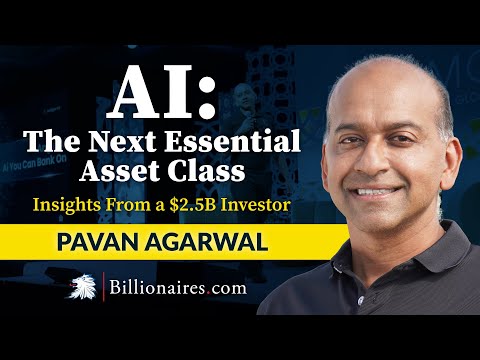
We do 16 of these live a year.
Apply for access